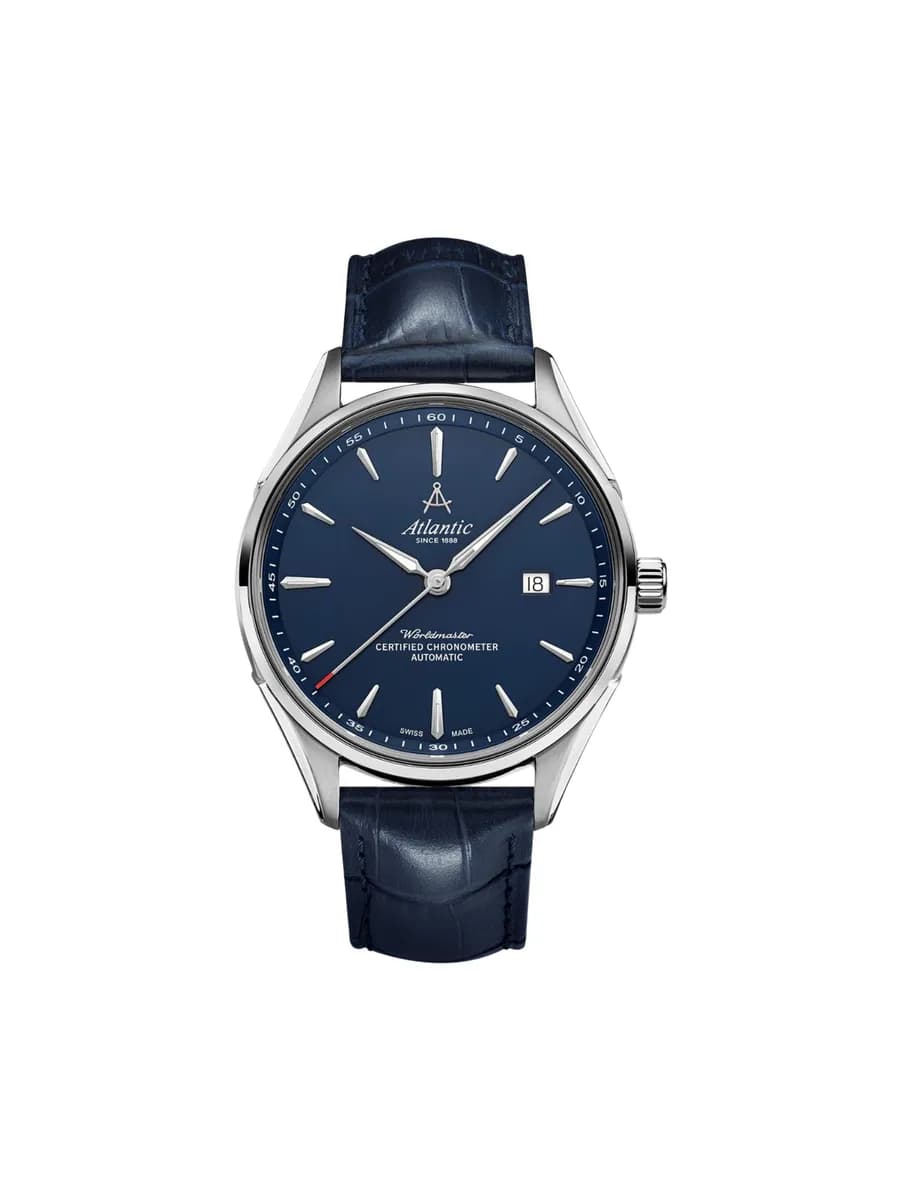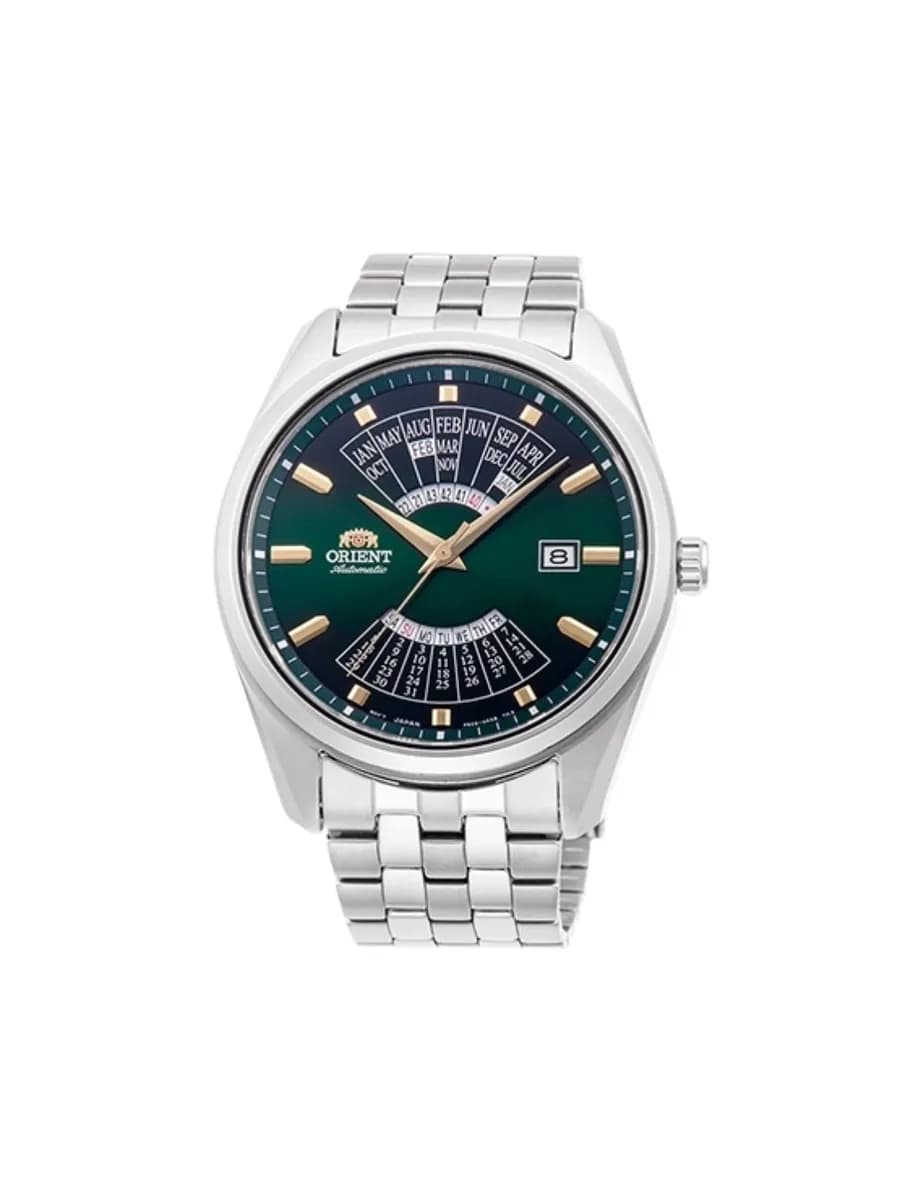
How to Choose the Right Watch for Yourself

How to Choose the Right Wristwatch for You
When choosing a watch, it's best not to start with the brand, dial color, or movement.
First, you should answer a simpler question:
What exactly do you need a watch for?
One person needs a discreet accessory for business meetings. Another needs a versatile watch that can be worn almost every day. A third prioritizes shock resistance, a timer, and a comfortable strap for an active lifestyle.
That's why WATCHZ suggests first determining the watch category, and only then choosing a specific design, movement, material, and model.
Broadly, most watches can be divided into four main categories:
classic;
everyday;
sport;
diver's.
However, the boundaries between categories are not always absolute. Some modern models may combine features from several categories. Nevertheless, this division significantly simplifies the initial choice.
- Classic Watches – When You Need a Discreet and Polished Look
Classic watches should be chosen primarily when the watch needs to complement a business, elegant, or more formal look.
Their main task is not to impress with a multitude of functions, but to create a neat visual impression.
Such watches are especially appropriate:
at work;
in the office;
at a business meeting;
at a formal event;
with a suit or shirt;
during an evening out.
Classic models are characterized by a calmer design. They often feature a leather strap, a relatively clean dial, and a minimal number of additional functions.
By movement type, they can be either quartz or mechanical watches.
But the movement is not the main criterion here.
The main thing in classic watches is the visual impression
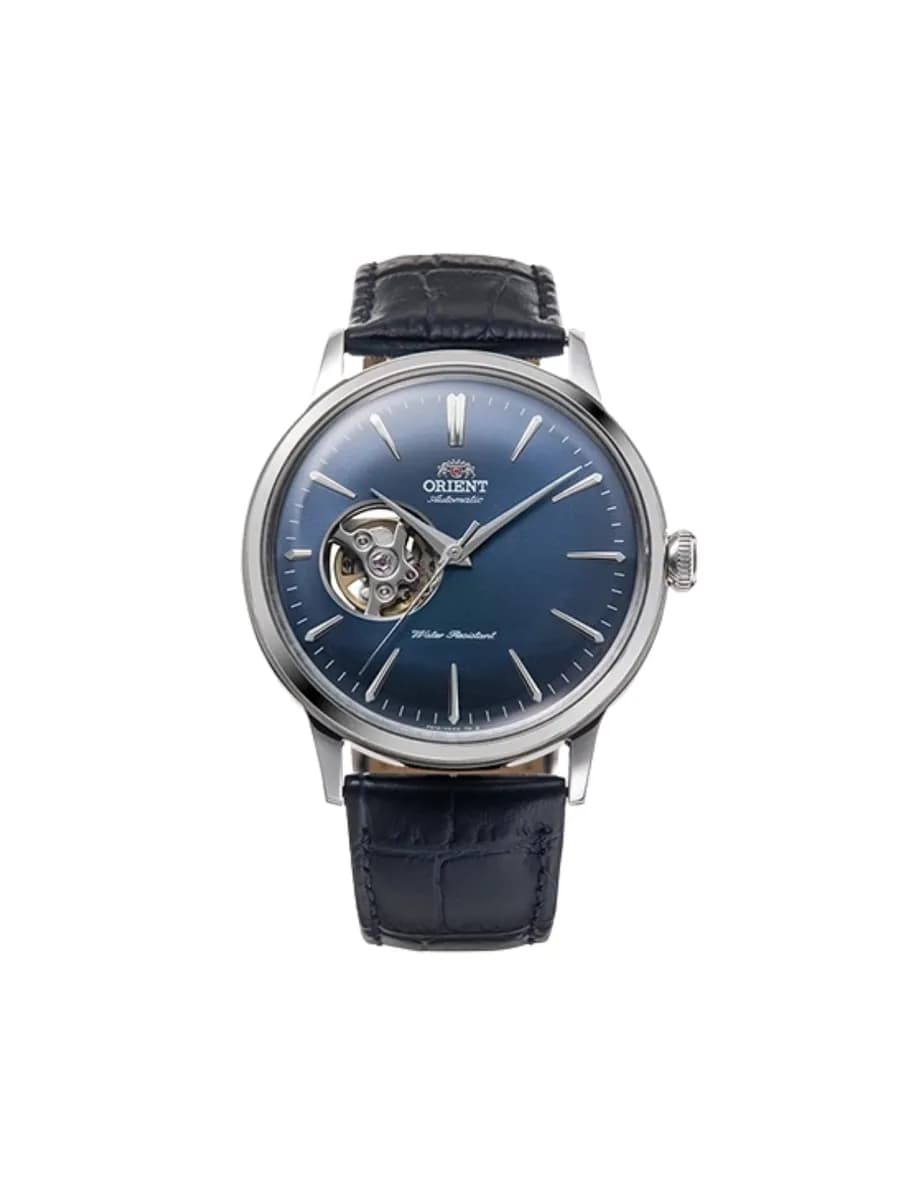
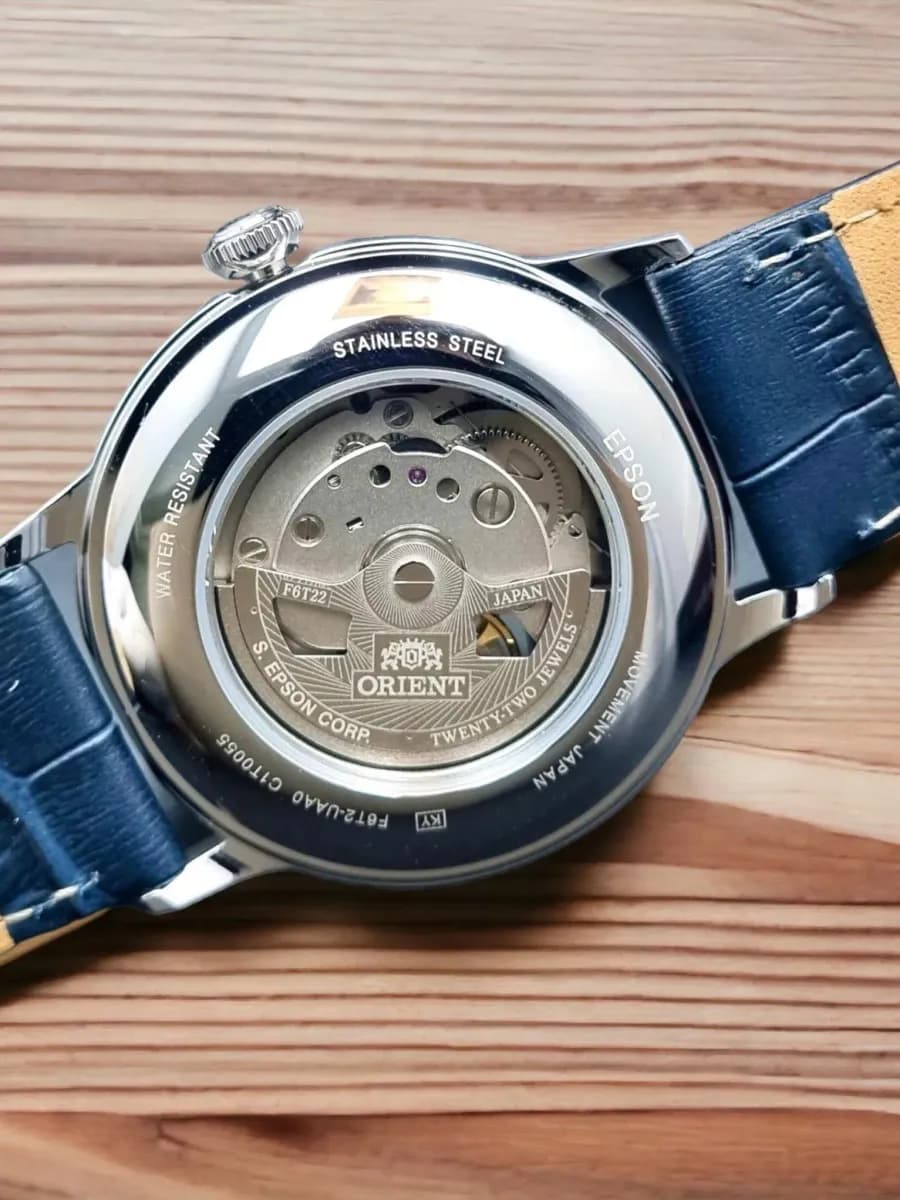
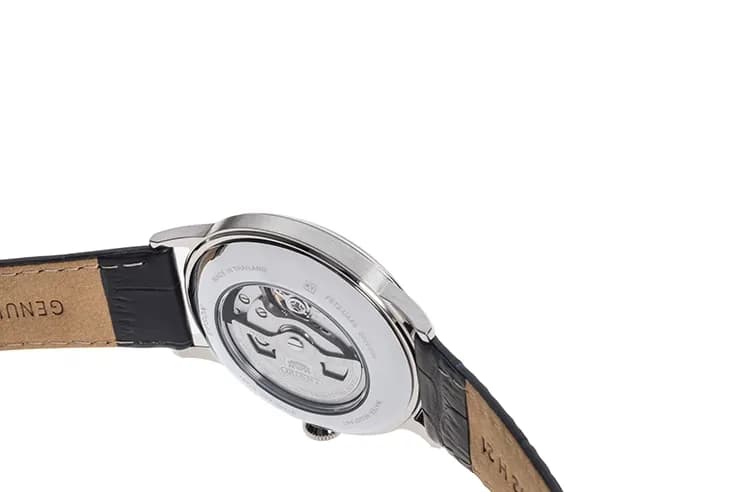
Orient RA-AG0005L30B
3 470 000 UZS
Good classic watches should help create a look that is:
discreet, elegant, serious, and confident.
Therefore, when choosing such a model, you should pay attention not to the number of functions, but primarily to the proportions, dial design, and how well the watch suits your clothing style.
Watches with an excessively massive case, bright elements, or a large number of sports functions may be good in themselves, but they will be less effective as a classic accessory.
Who classic watches are suitable for
This is a good option if you:
often wear shirts, jackets, or suits;
work in a business environment;
want a calm and neat accessory;
don't need a lot of functions;
consider the watch as part of your overall look.
Who they might be less suitable for
If your everyday attire is predominantly sporty, and watches are regularly used during active recreation, a classic model may prove less practical.
In such a case, it's better to consider the everyday or sport category.
- Everyday Watches – The Most Versatile Option
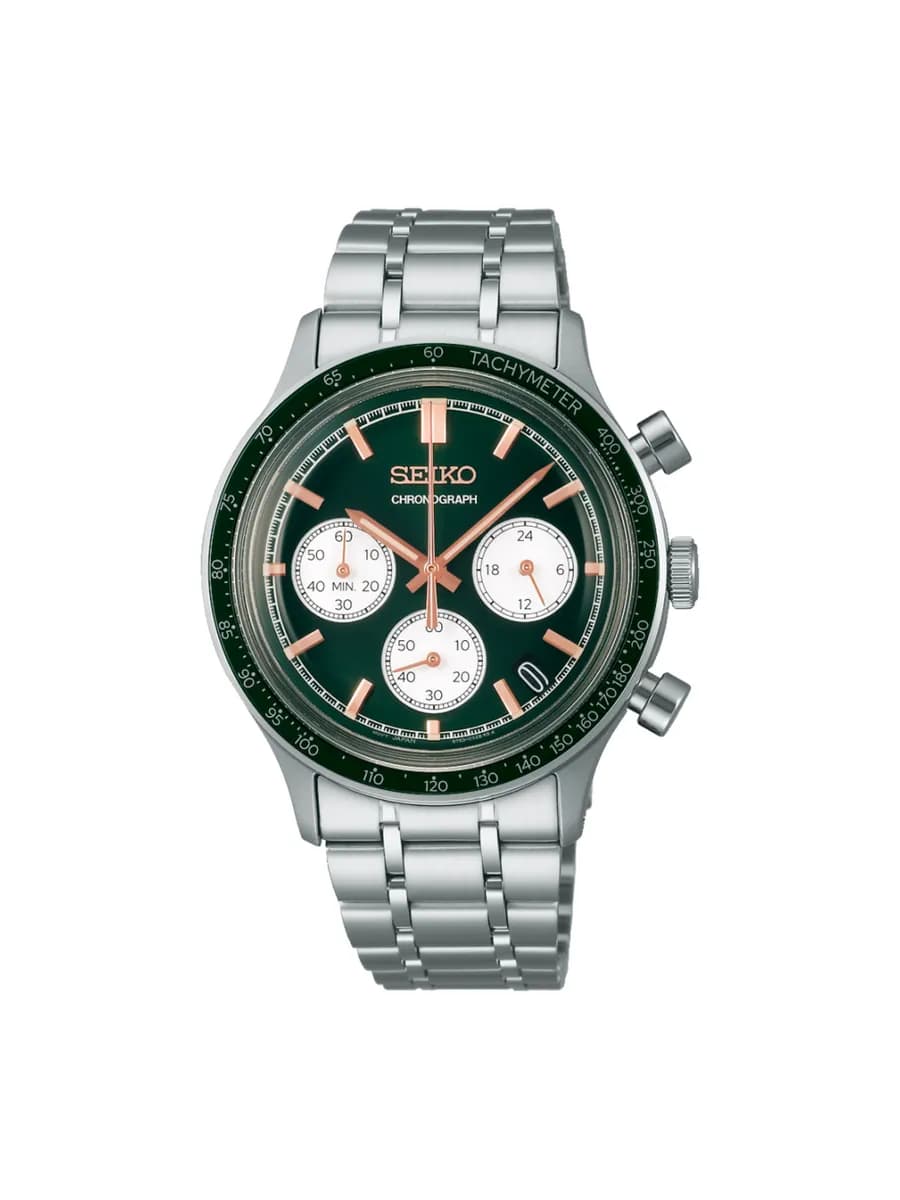
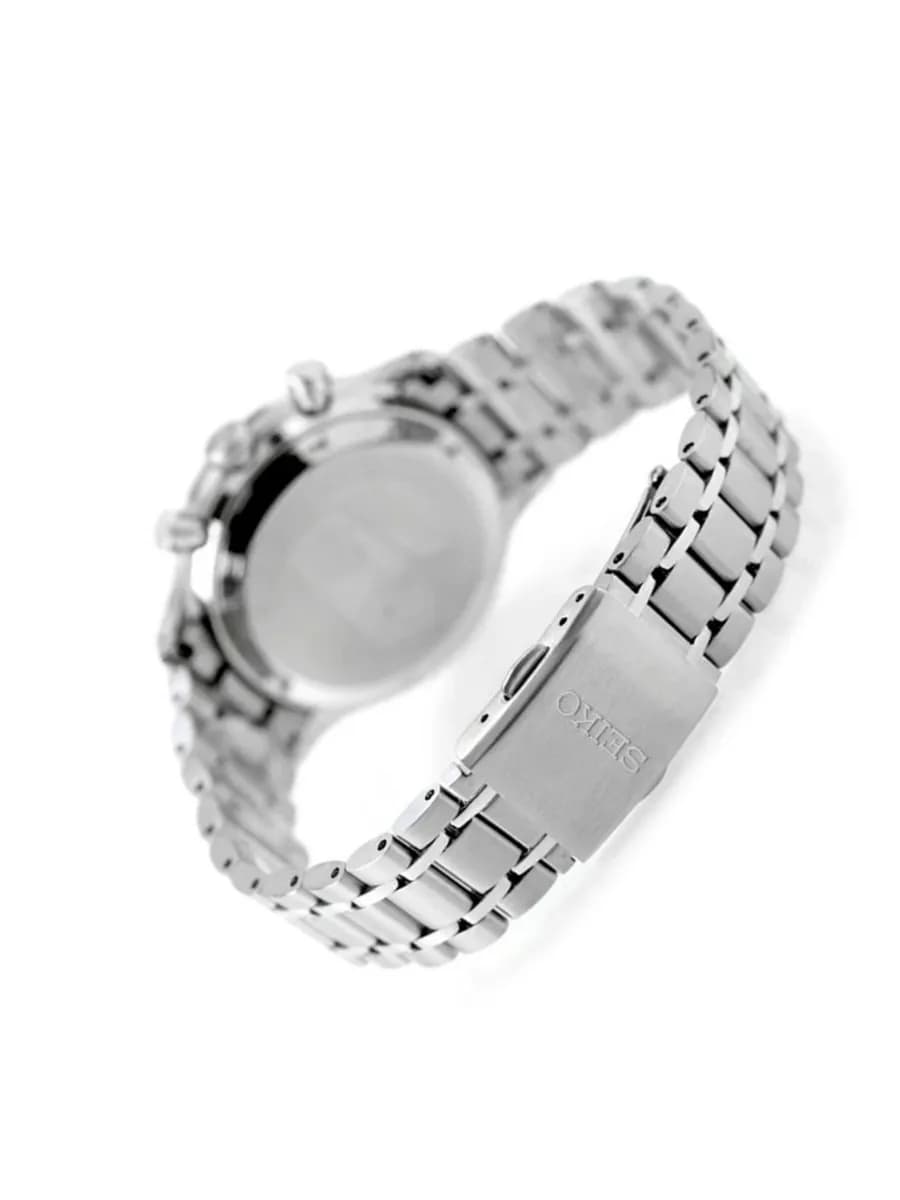
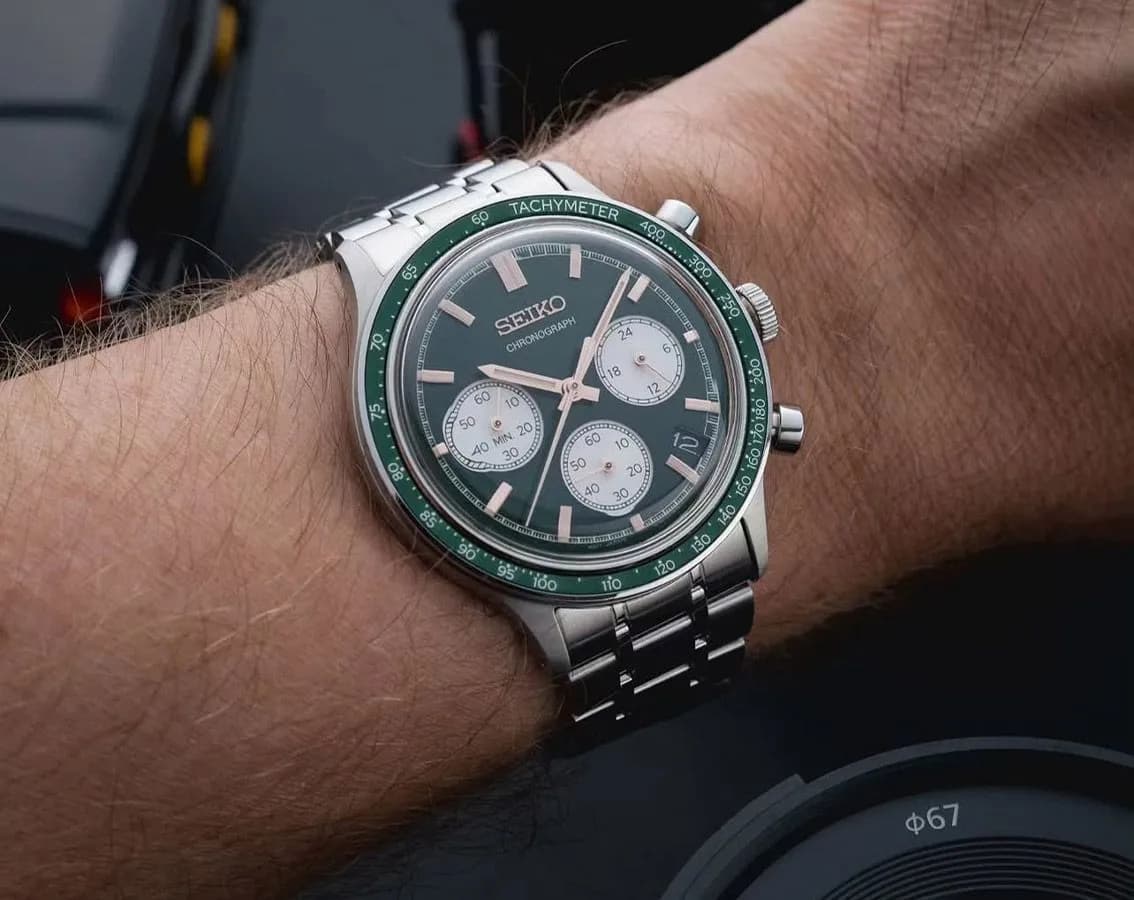
Seiko SBTR057
5 650 000 UZS
Everyday watches are primarily designed for regular daily use.
Versatility is their main advantage.
A good everyday watch can be worn to work in the morning, kept on your wrist throughout the day, and used with a more relaxed look in the evening.
They can be paired with:
a T-shirt;
a polo shirt;
a shirt;
jeans;
casual wear;
some business wardrobe options;
certain elements of sports style.
Therefore, for someone looking to buy one main watch, the everyday category often turns out to be the most logical starting point.
Types of everyday watches
There is significantly more freedom here than in the classic category.
You can find models with:
a steel bracelet;
a titanium bracelet;
a rubber or silicone strap;
other practical strap options.
The movement can also vary:
quartz;
mechanical;
solar-powered.
However, even here, the movement itself does not determine the watch's purpose.
Much more important is how convenient a particular model is for daily use.
The main thing in everyday watches is versatility
For WATCHZ, a good everyday option should answer three questions at once:
Is this watch comfortable to wear every day?
Does it match most of your wardrobe?
Does it have the functions you will actually use?
If the answer to all three questions is positive, the model already has a good chance of becoming the owner's primary watch.
That's why when choosing an everyday watch, it's not always worth chasing maximum functionality. Sometimes a simpler design turns out to be much more versatile.
Who everyday watches are suitable for
Choose this category if you:
want to wear a watch almost every day;
don't want to change watches for every outfit;
prefer a casual or mixed wardrobe;
value both appearance and practicality;
are looking for your first or only main watch.
- Sport Watches – Functionality for Active Use
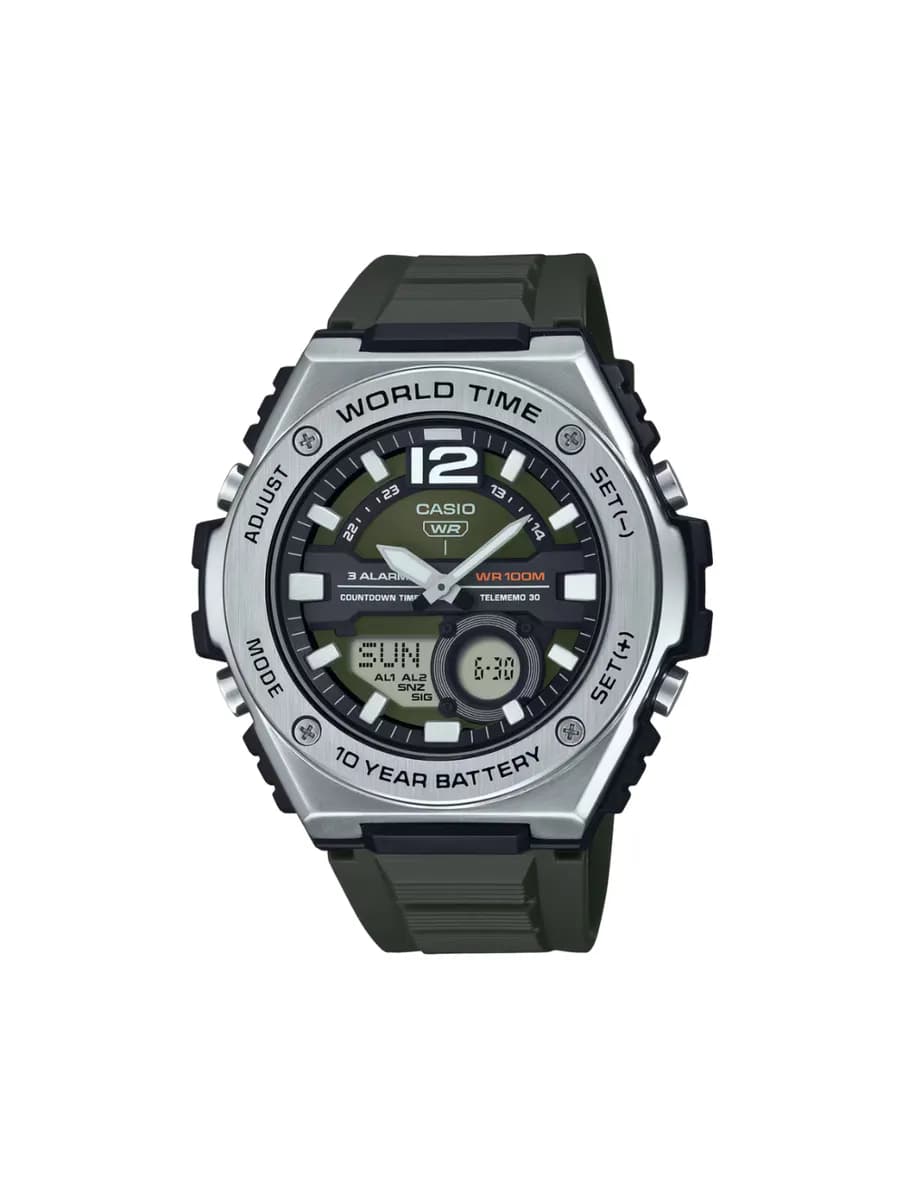
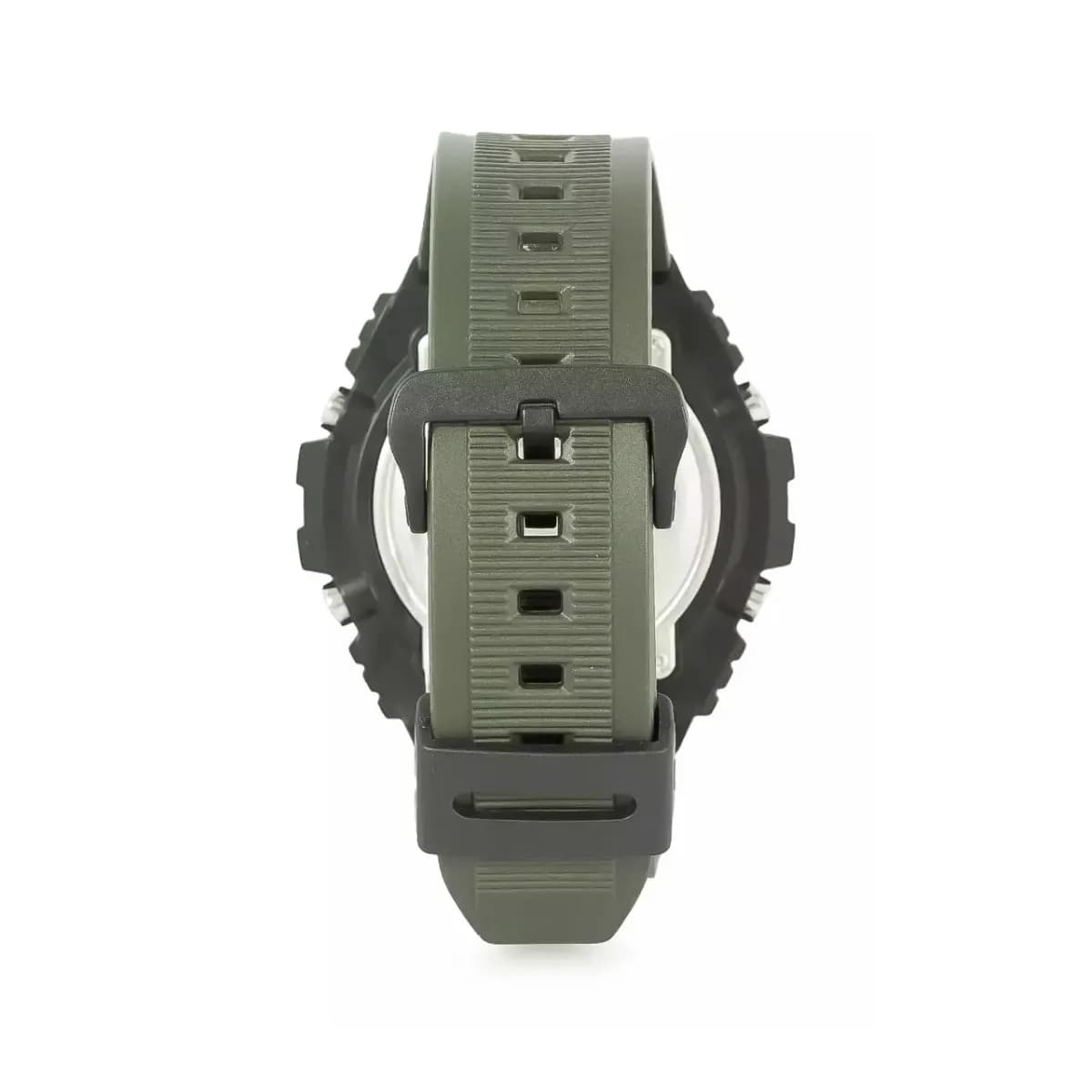
Casio MWQ-100-3AV
988 000 UZS
Sport watches are primarily designed for an active lifestyle, sports, and situations where practicality is more important than formality.
Such models have a completely different purpose.
While classic watches should look as discreet as possible, sport watches can be more massive, noticeable, and functional.
Often used are:
rubber straps;
silicone straps;
nylon straps.
Such materials are comfortable for active use and fit well with the very concept of sport watches.
The movement is often quartz or solar-powered.
What functions can be found in sport watches
Depending on the specific model, sport watches can offer:
a stopwatch;
a timer;
an alarm;
enhanced water resistance;
shock-resistant construction;
additional modes and functions.
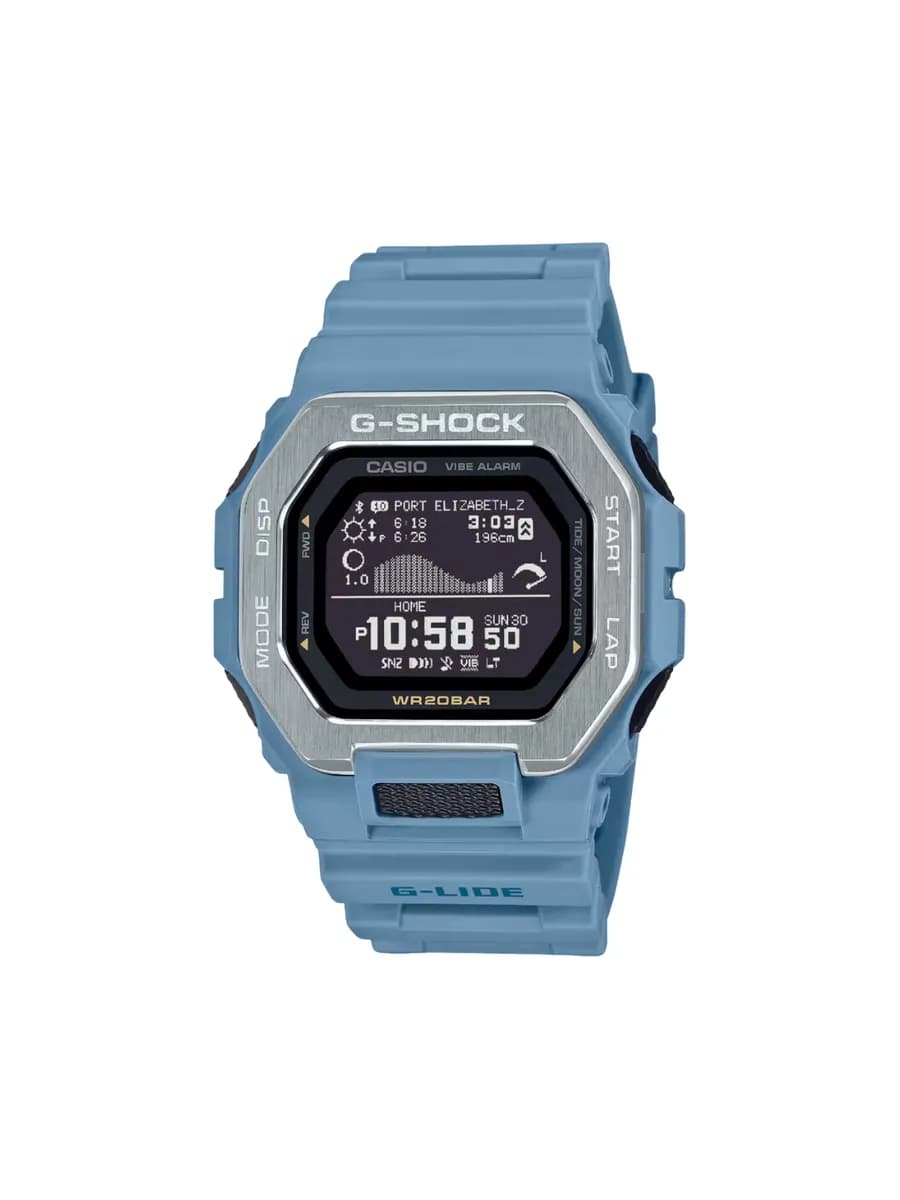
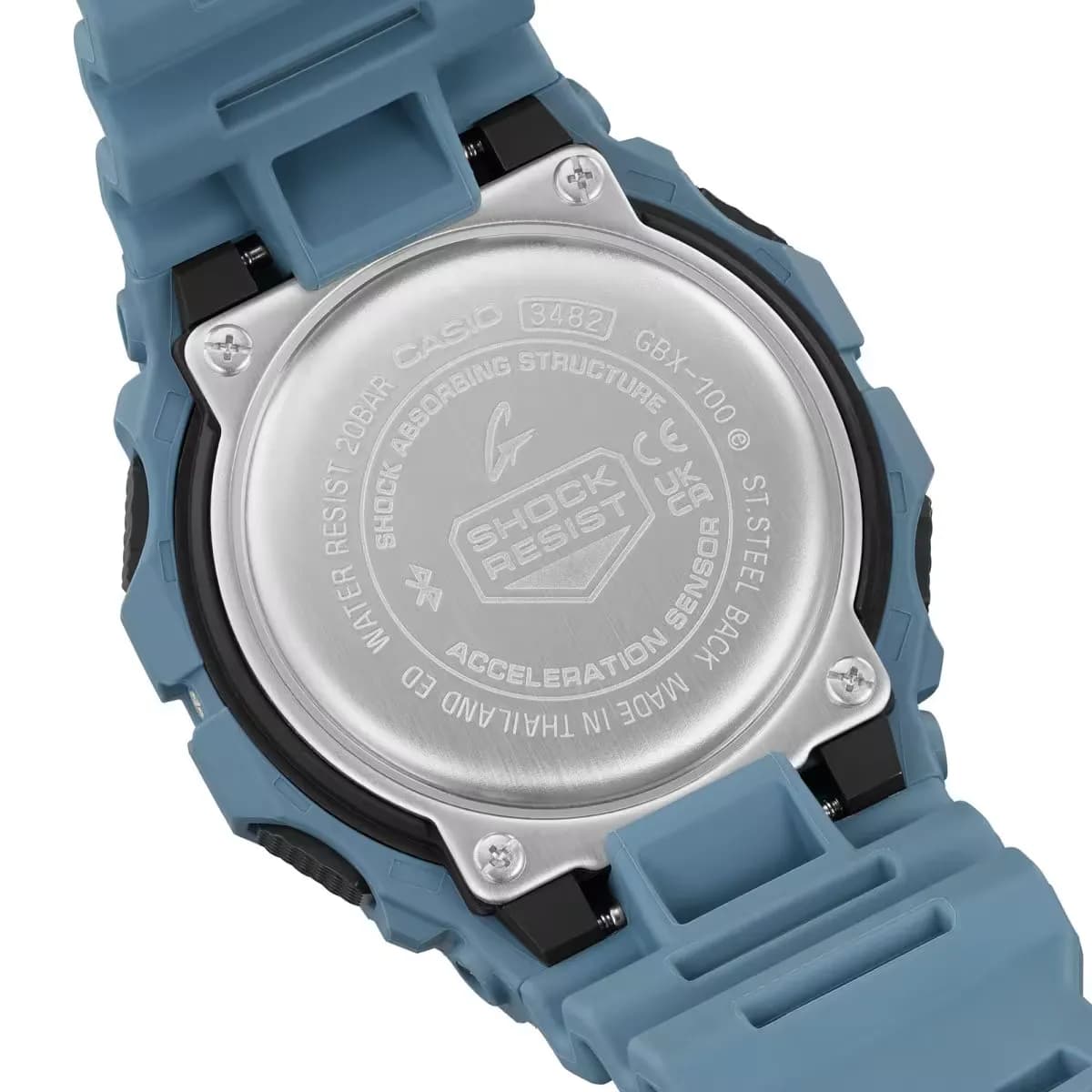
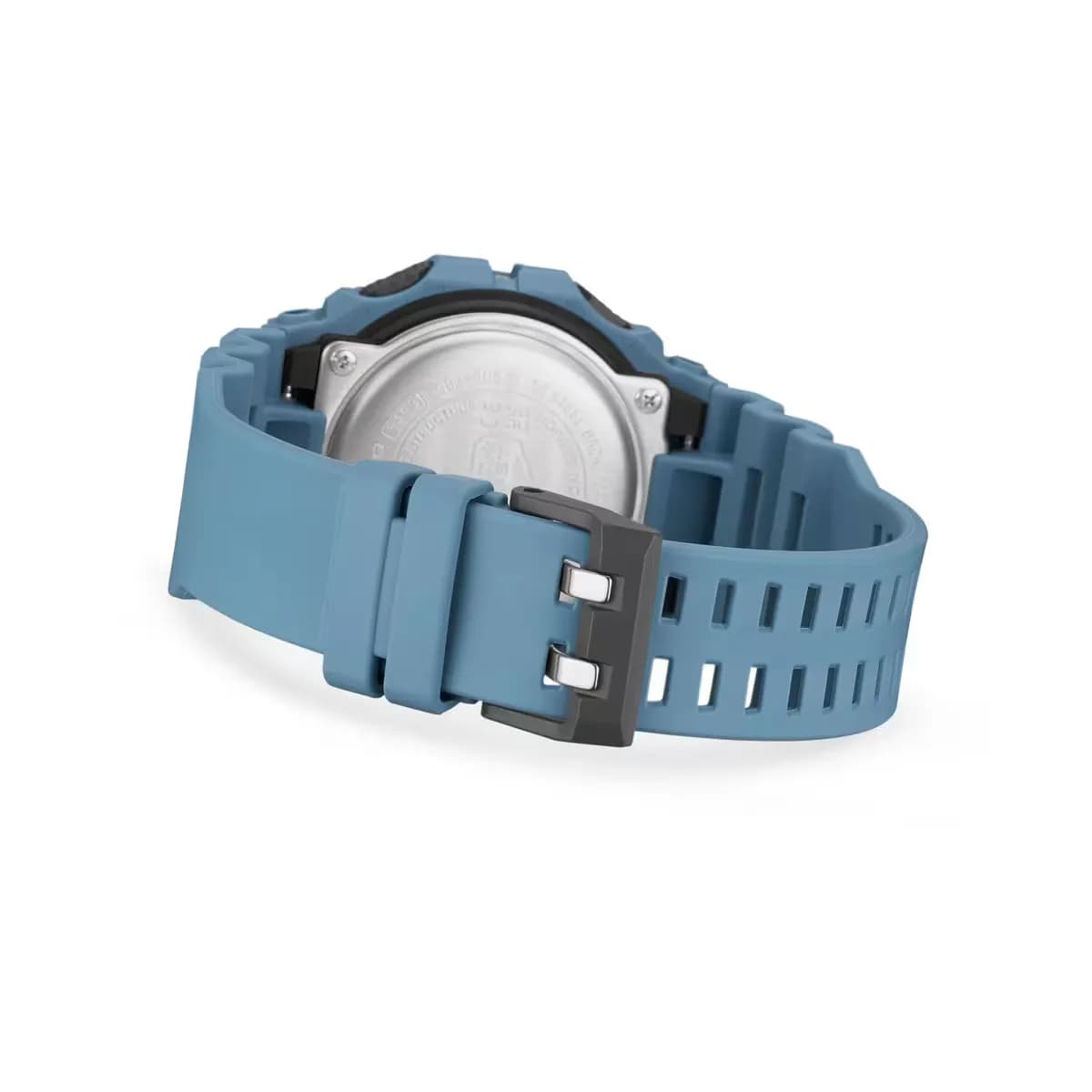
Casio G-Shock GBX-100-2AD
2 488 000 UZS
However, the presence of many functions does not automatically mean that a particular watch is suitable for everyone.
Here again, it is important to determine your own usage scenario.
If you never use a timer or stopwatch, the presence of these functions alone should not be the main argument for purchase.
The main thing in sport watches is comfort and functionality
Sport watches should primarily match the owner's activity.
That is, you should choose not a model with the maximum number of features, but one whose capabilities truly match your lifestyle.
If a watch is needed for training, active recreation, or regular exertion, a sport construction can prove significantly more practical than a classic one.
Who sport watches are suitable for
Consider the sport category if you:
regularly engage in sports;
lead an active lifestyle;
prefer sportswear;
want a functional watch;
value practical materials;
don't prioritize formal appearance.
Sport watches can certainly be used daily. Especially if the owner's wardrobe matches their design.
But with a classic suit, a massive sport model will usually be perceived quite differently than a thin classic watch.
- Diver's Watches – When Water Resistance and Durability Come First
The main idea of diver's watches is their readiness for contact with water and more demanding operating conditions.
That's why one of the key characteristics of such models is a high level of water resistance.
Diver's watches are typically characterized by water resistance of around 200 meters and above, although specifications must always be checked separately for specific watches.
Diver's watches can be:
mechanical;
quartz.
A screw-down crown is often found, and the bracelet and clasp construction are focused on reliability.
Practical options like rubber are usually used for the strap, or a metal bracelet is fitted.
Diver's watches are chosen not only for water
An interesting feature of this category is that the appearance of diver's watches has long gone beyond purely functional application.
A massive case, a highly legible dial, a pronounced bezel, and a metal bracelet can create a stronger and sportier visual image.
Therefore, a person doesn't necessarily have to be a diver to like this type of watch.
But if you are choosing them specifically for use in water, you need to separately study the characteristics of the specific model, rather than focusing solely on the appearance.
Who diver's watches are suitable for
Consider this category if:
water resistance is especially important to you;
you like a more massive, sporty design;
you prefer durable and practical watches;
you frequently come into contact with water;
you want a model that visually differs from classic watches.
Classic, Everyday, Sport, or Diver's – What to Choose?
To simplify the choice as much as possible, you can orient yourself as follows.
If you need a watch for work and business meetings
Start with classic models.
Especially if your wardrobe consists mainly of shirts, jackets, suits, and understated clothing.
The main criterion here is discretion.
If you need one watch for almost everything
Start with everyday models.
This is the most flexible category in terms of pairing with different clothes and using throughout the day.
The main criterion is versatility.
If you need a watch for sports and an active lifestyle
Look towards sport models.
Especially if additional functions will actually be used and practical materials are important to you.
The main criterion is comfort and functionality.
If water resistance is especially important
Consider diver's watches.
They are suitable for those who need a more durable construction or simply like the characteristic massive sport style of such models.
The main criterion is the watch's suitability for operating conditions.
Don't start choosing a watch based solely on the movement
One of the common mistakes when choosing a watch is to first decide:
"I only need mechanical watches"
or:
"I only want quartz watches."
The movement is indeed an important characteristic. But it doesn't answer the main question – does this watch suit your lifestyle?
Mechanical watches can be classic, everyday, or diver's.
The same applies to quartz models.
Therefore, a more logical sequence of choice looks like this:
purpose → design and style → comfort → necessary characteristics → movement → specific model.
This makes it much easier not to get lost among hundreds of options.
Your wardrobe is one of the main guides when choosing
A watch is on your wrist for many hours a day, so it's important to consider it not in isolation, but together with the clothes you actually wear.
If most of your wardrobe consists of business attire, an overly sporty model may be used significantly less often than you expected.
If you almost never wear classic clothes, a strict watch with a leather strap may also prove less versatile.
Therefore, before buying, it's useful to mentally imagine the watch with at least a few of your usual outfits.
If the model organically suits most of them, that's a strong argument in its favor.
There is no single watch category that suits everyone
The task of making the right choice is not about finding an abstractly "best watch."
You need to find the watch that best suits a specific person.
One buyer will use a calm classic model much more often.
Another will find it more practical to buy a versatile watch with a metal bracelet.
A third needs sport functions.
And a fourth simply prefers the look of diver's watches.
All four choices can be correct.
The difference lies in the usage scenario.
A simple watch selection scheme from WATCHZ
Before looking at specific models, answer four questions.
- Where will I most often wear the watch?
Work, daily life, sports, active recreation, or different situations simultaneously?
- How do I usually dress?
Classic, casual, sport style, or a mixed wardrobe?
- What functions do I really need?
Not what functions exist, but which ones you actually intend to use.
- What impression should the watch create?
Discreet and elegant? Versatile? Sporty? More massive and noticeable?
Answers to these questions significantly narrow down the search.
And only after that does it make sense to move on to a specific brand, design, movement, and other characteristics.
WATCHZ Summary
The correct choice of a wristwatch begins not with the brand or the price, but with an understanding of your own lifestyle.
Classic watches help create a more discreet and business-like image.
Everyday watches are focused on versatility and regular use.
Sport watches emphasize comfort and functionality.
Diver's watches focus on water resistance, durability, and a characteristic sport design.
Therefore, before buying, WATCHZ recommends first determining the purpose of the watch, and only then comparing specific models within the appropriate category.
This makes the choice significantly simpler: instead of hundreds of different watches, you are left with models that truly match how, where, and with what you intend to wear them.
- FAQ
Which watch is best for everyday wear?
For most everyday scenarios, it's worth starting with the everyday watch category. Their advantage lies in versatility: the model is easier to pair with different clothes and use in various situations throughout the day.
Which watch is best suited for a suit?
If a watch is primarily purchased for a suit, shirt, and business wardrobe, it's more logical to consider classic models with a discreet design and without overly sporty elements.
Can sport watches be worn every day?
Yes, especially if your usual clothing style is casual or sporty. However, massive sport watches may be less versatile with formal attire.
Is it mandatory to buy diver's watches only for swimming?
No. Diver's watches are chosen not only for their water resistance but also for their characteristic design, durable construction, and visual impression. If the watch is purchased specifically for use in water, the characteristics of the specific model must be studied separately.
What is more important when choosing a watch – movement or style?
If the task is specifically to choose a watch for yourself, it's best to first determine the purpose and style. The same type of movement can be used in watches with completely different purposes. It's more reasonable to choose the movement after the suitable category has been determined.