
What Do the Markings on a Watch Dial Mean?
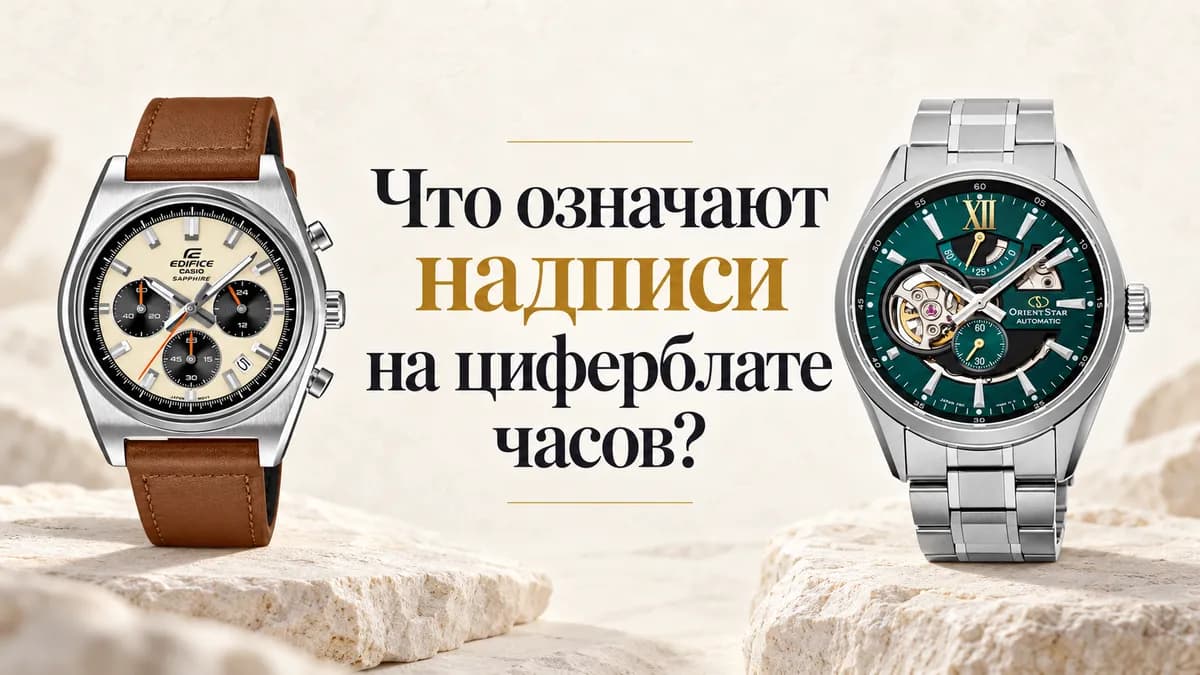
What Do the Markings on a Watch Dial Mean? Automatic, Quartz, Solar, WR, Sapphire, GMT and More
You can often see small inscriptions on a watch dial: Automatic, Quartz, Solar, WR, Sapphire, GMT, Chronograph, Made in Japan or Swiss Made.
They help you quickly understand what movement the watch uses, what type of crystal it has, whether it includes additional functions, its water resistance and where the model comes from.
Let’s explain the most common markings in simple terms.
Automatic — a self-winding mechanical movement
The word Automatic means that the watch contains a mechanical movement with automatic winding.
As your wrist moves, a rotor inside the movement rotates and winds the mainspring. This means that when the watch is worn regularly, it receives energy directly from the movement of the wearer.
Example:
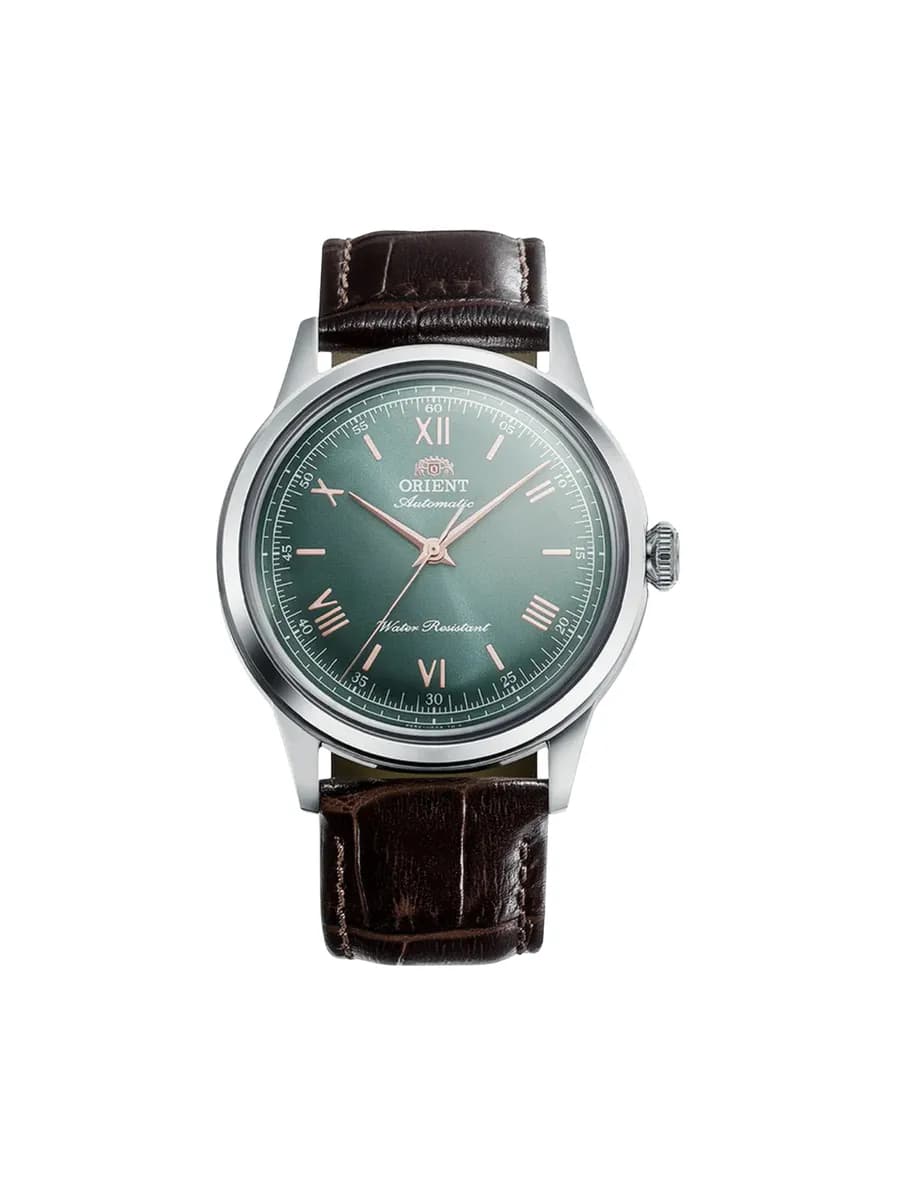
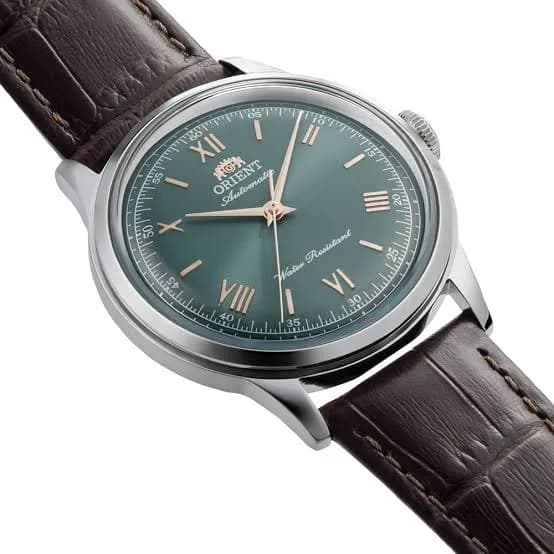
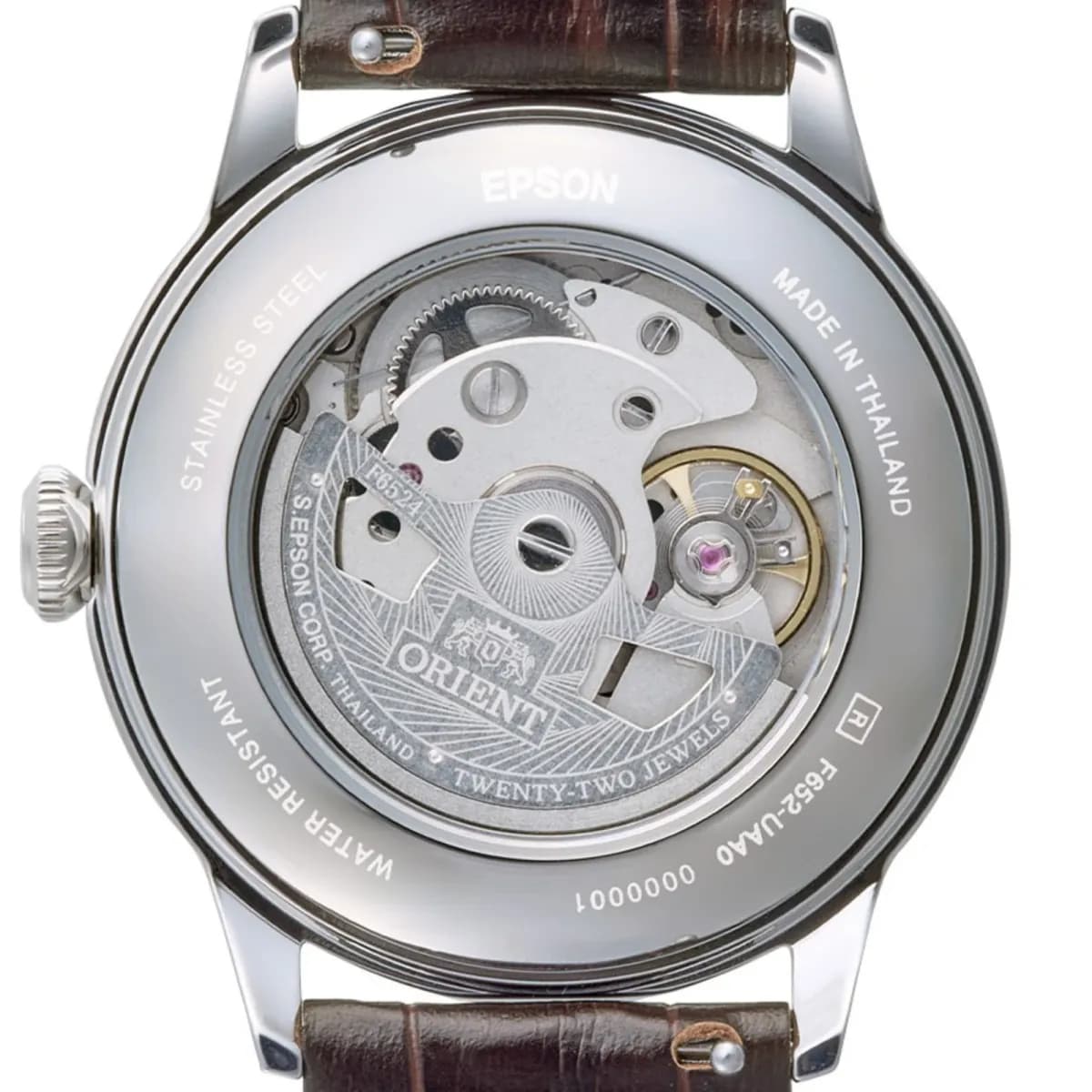
Orient Bambino No Date 2026 RA-BB0001E30B
3 899 000 UZS
Orient Bambino Automatic is a classic mechanical watch with an automatic movement.
The main thing to remember:
Automatic = a mechanical watch with self-winding.
A battery is not required for this type of movement to operate.
Quartz — quartz movement
Quartz means that the watch uses a quartz movement.
Most traditional quartz watches are powered by a battery. This type of movement is convenient because it usually offers high accuracy and does not require regular winding.
Example:
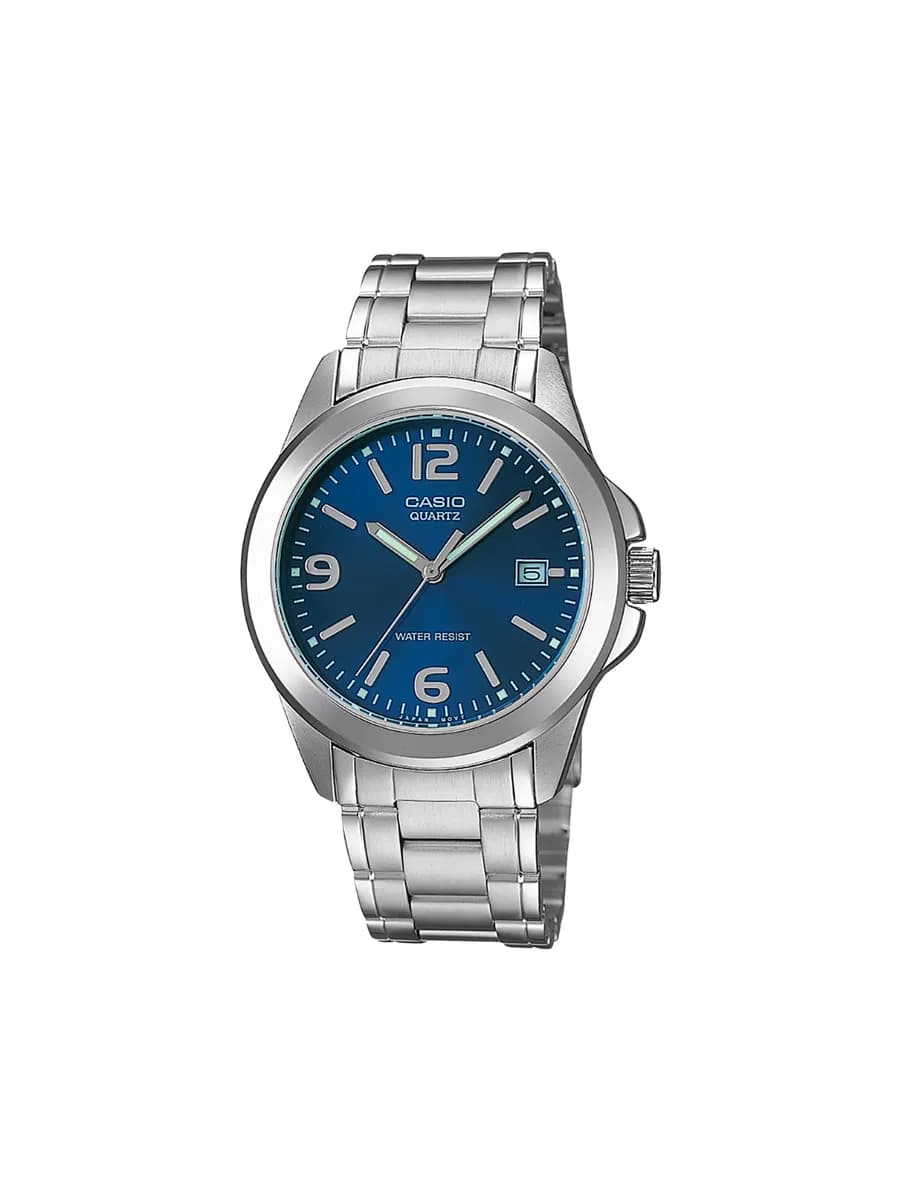
Casio MTP-1215A-2AD
605 000 UZS
Casio Quartz is a good example of a simple everyday quartz watch.
Quartz = practicality, accuracy and ease of use.
Solar — powered by light
The word Solar means that the watch uses light as its energy source.
Sunlight or artificial light passes through elements of the dial and charges an internal rechargeable battery.
In most cases, Solar watches are still quartz watches — the main difference is the way they receive power.
In other words:
Quartz describes how the movement works, while Solar describes where it gets its energy from.
WR / Water Resistant — water resistance
WR stands for Water Resistant.
You may see markings such as:
30M, 50M, 100M, 200M
or
3 BAR, 5 BAR, 10 BAR, 20 BAR.
The higher the rating, the greater the level of water protection the case is designed to provide.
However, it is important not to interpret the number in meters literally as an approved diving depth.
For example, 200M primarily indicates a certain level of water resistance, while actual usage conditions depend on the construction and purpose of the specific model.
Sapphire — sapphire crystal
If the dial or specifications say Sapphire or Sapphire Crystal, it means that the watch uses sapphire crystal.
Its main advantage is its high resistance to scratches during normal everyday use.
An example of a watch with sapphire crystal:
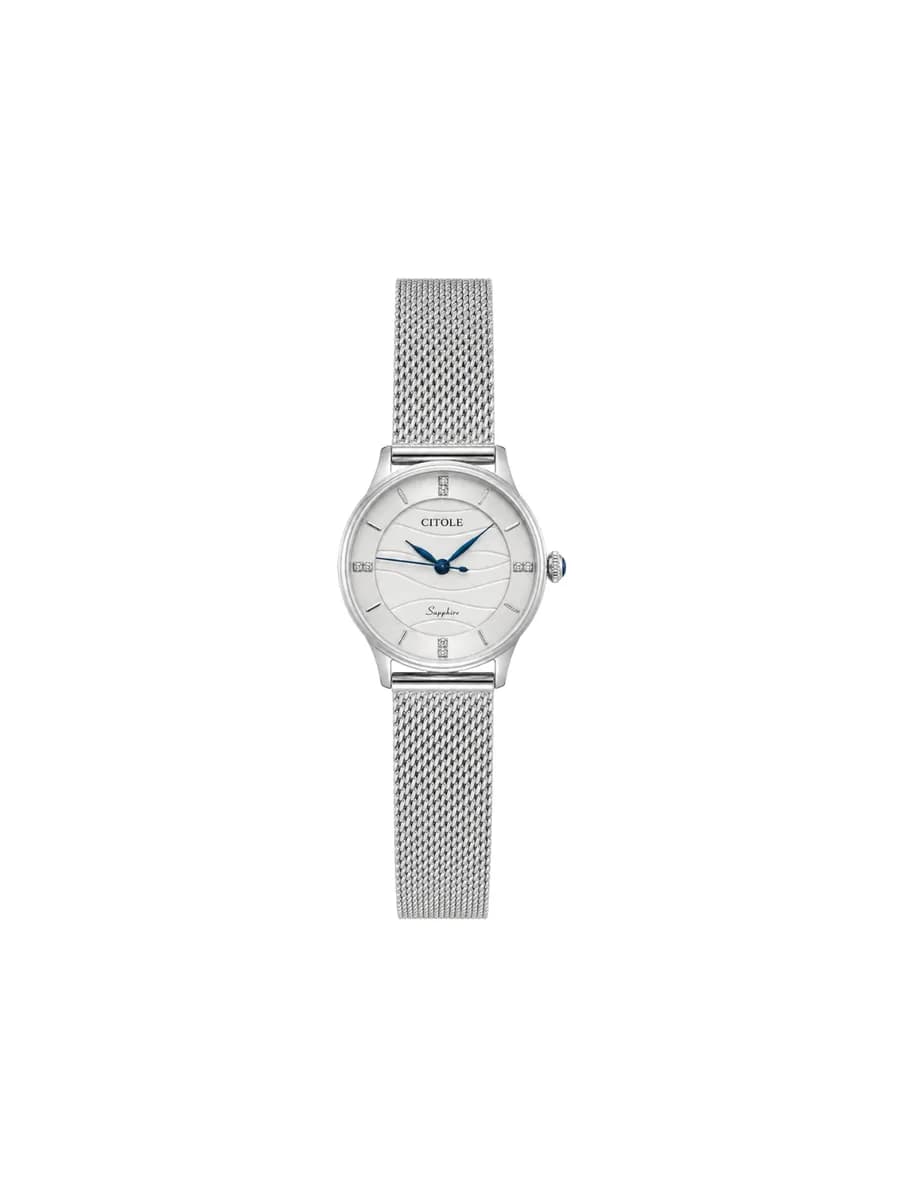
Citole Ladies CT5196LSWS
1 000 000 UZS
The women’s Citole watch combines a decorative design with sapphire crystal.
However, Sapphire does not mean that the crystal is impossible to break. It is highly scratch-resistant, but a strong impact can still damage it.
Sapphire = increased resistance to scratches.
GMT — a second time zone
GMT is a function that allows you to track the time in two time zones simultaneously.
Such watches usually have an additional hand and a 24-hour scale.
Example:
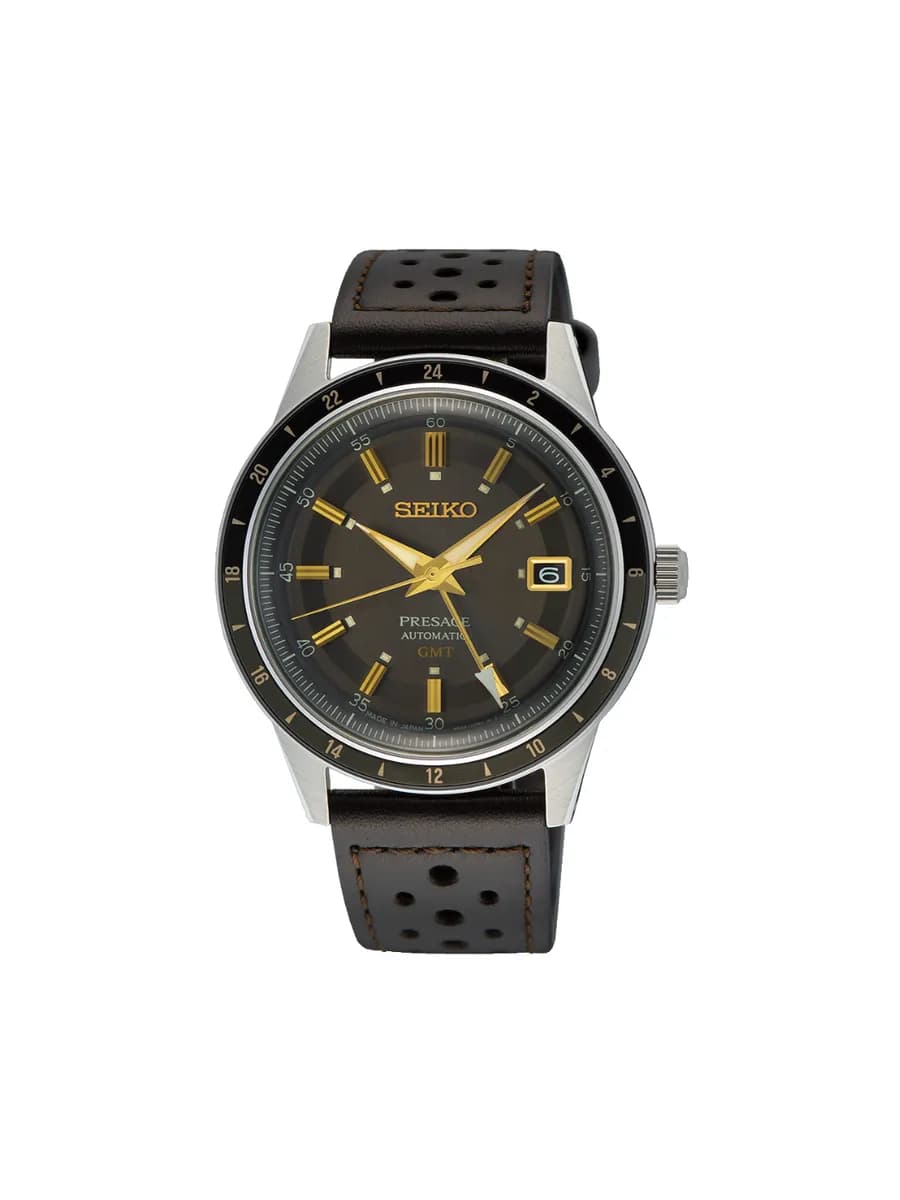
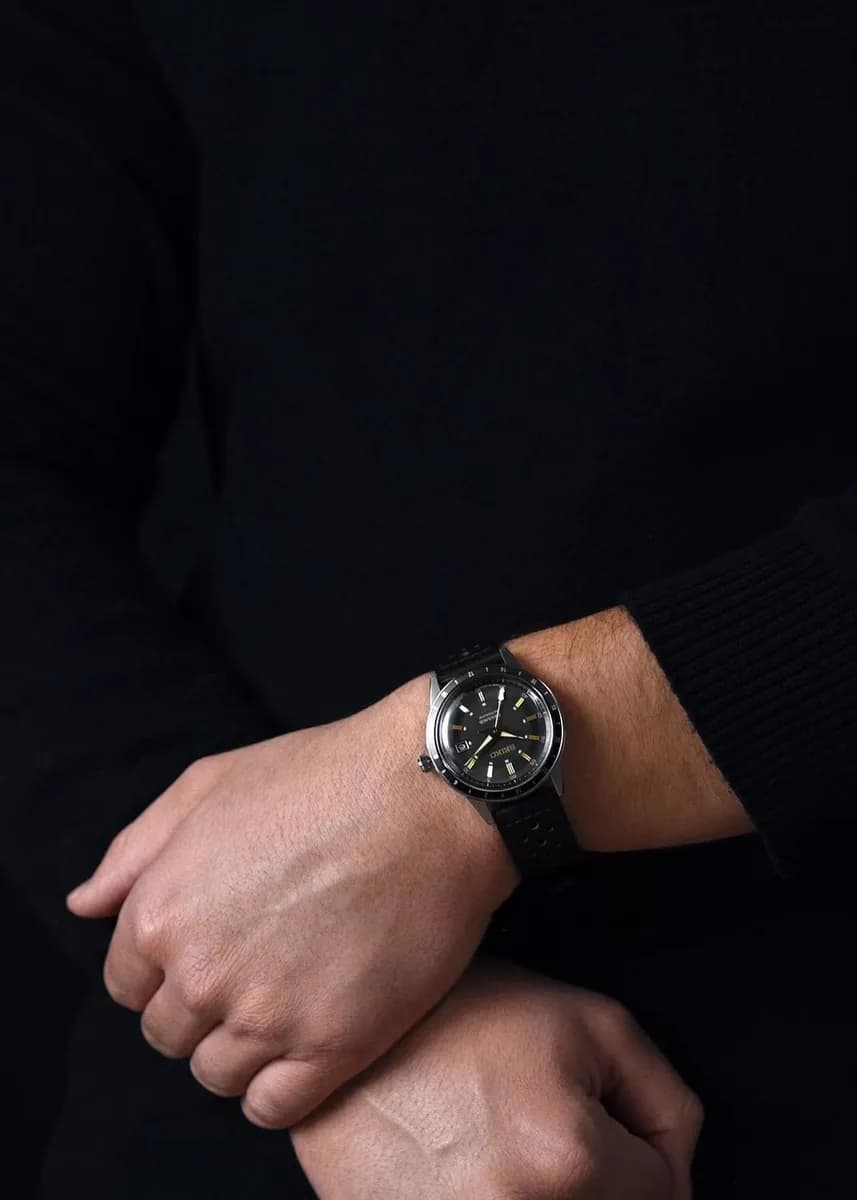
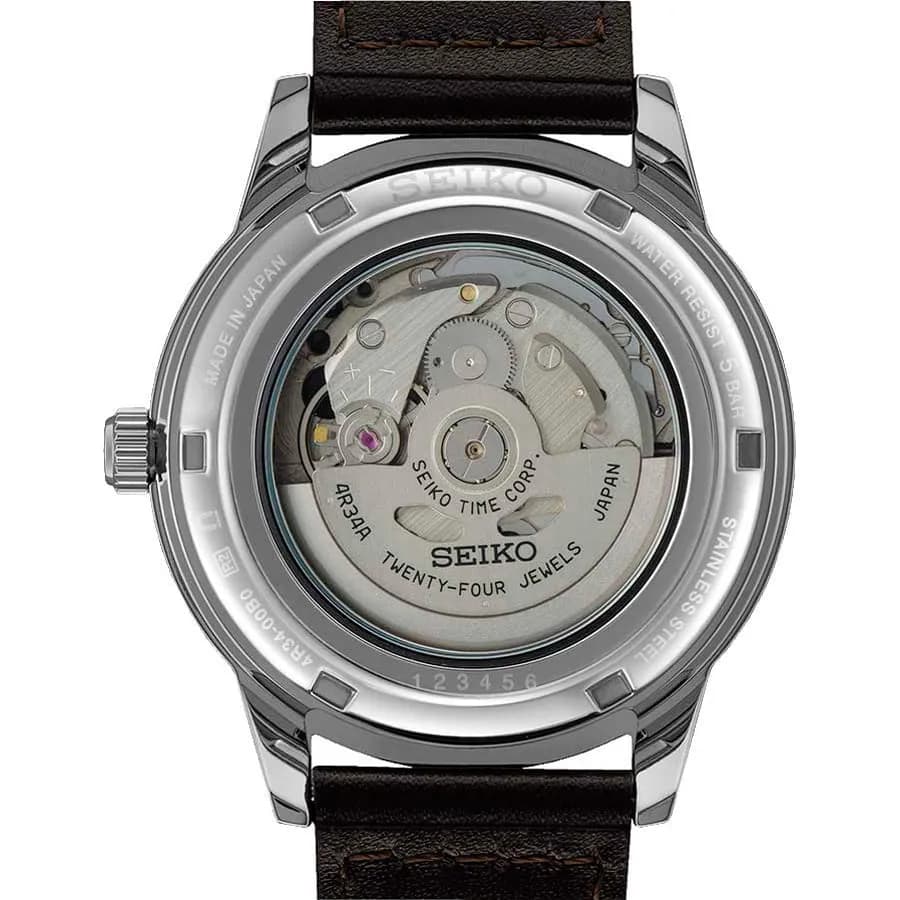
Seiko Presage GMT SSK013J1
9 999 999 UZS
The Seiko Presage GMT can display local time with the main hands while the additional GMT hand tracks another time zone.
This is especially useful:
- when travelling;
- when working with international partners;
- if relatives or friends live in another country;
- for those who simply enjoy more functional mechanical watches.
GMT = the ability to track an additional time zone.
Chronograph — stopwatch function
Chronograph means that the watch is equipped with a chronograph — a function for measuring elapsed time.
Example:
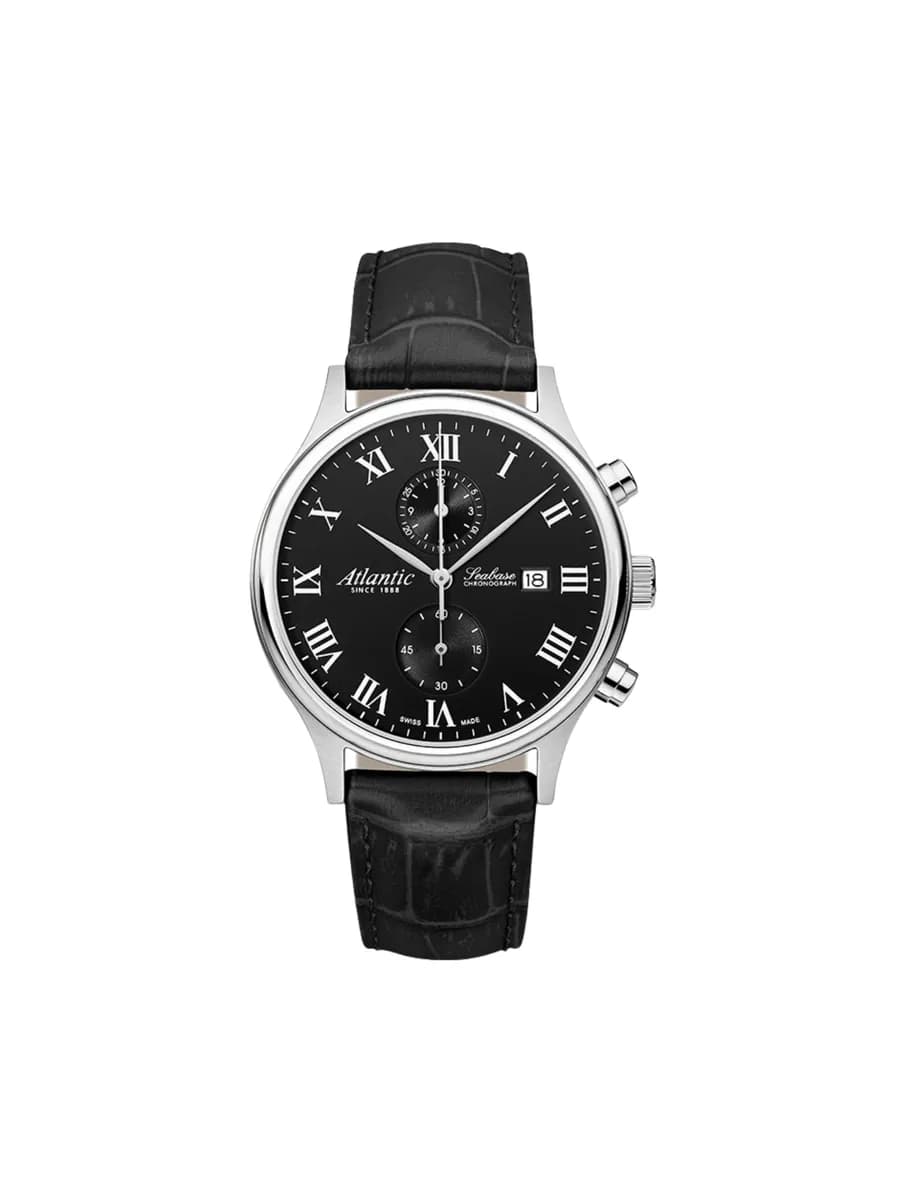
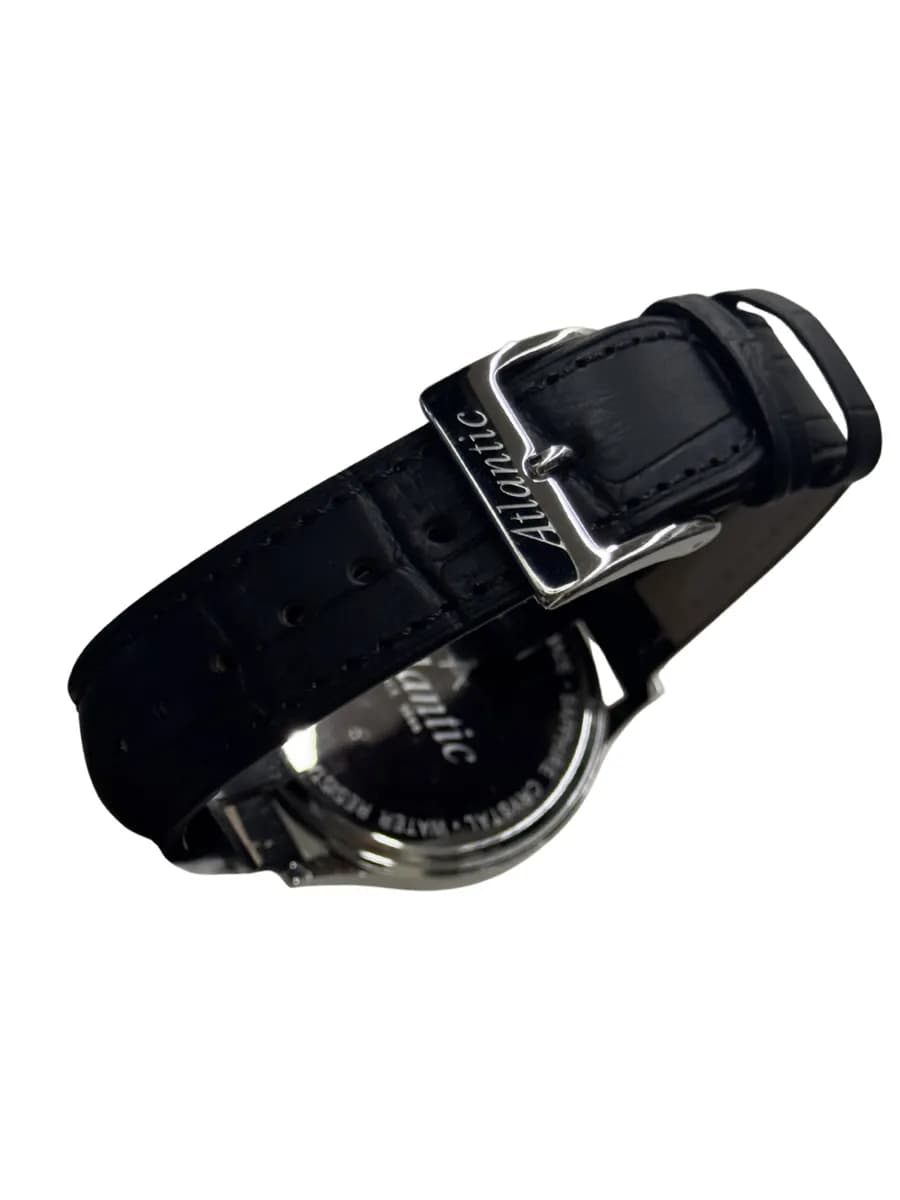
Atlantic Seabase Chronograph 64452.41.68
6 263 000 UZS
On the Atlantic Seabase Chronograph, the additional subdials and pushers on the case are connected to the chronograph function.
Depending on the model, it can measure:
- seconds;
- minutes;
- longer time intervals.
It is important not to confuse two different terms:
Chronograph — a stopwatch.
Chronometer — a completely different term related to certified accuracy requirements for a watch or movement.
Made in Japan — made in Japan
The inscription Made in Japan refers to the origin of a specific watch model.
Example:
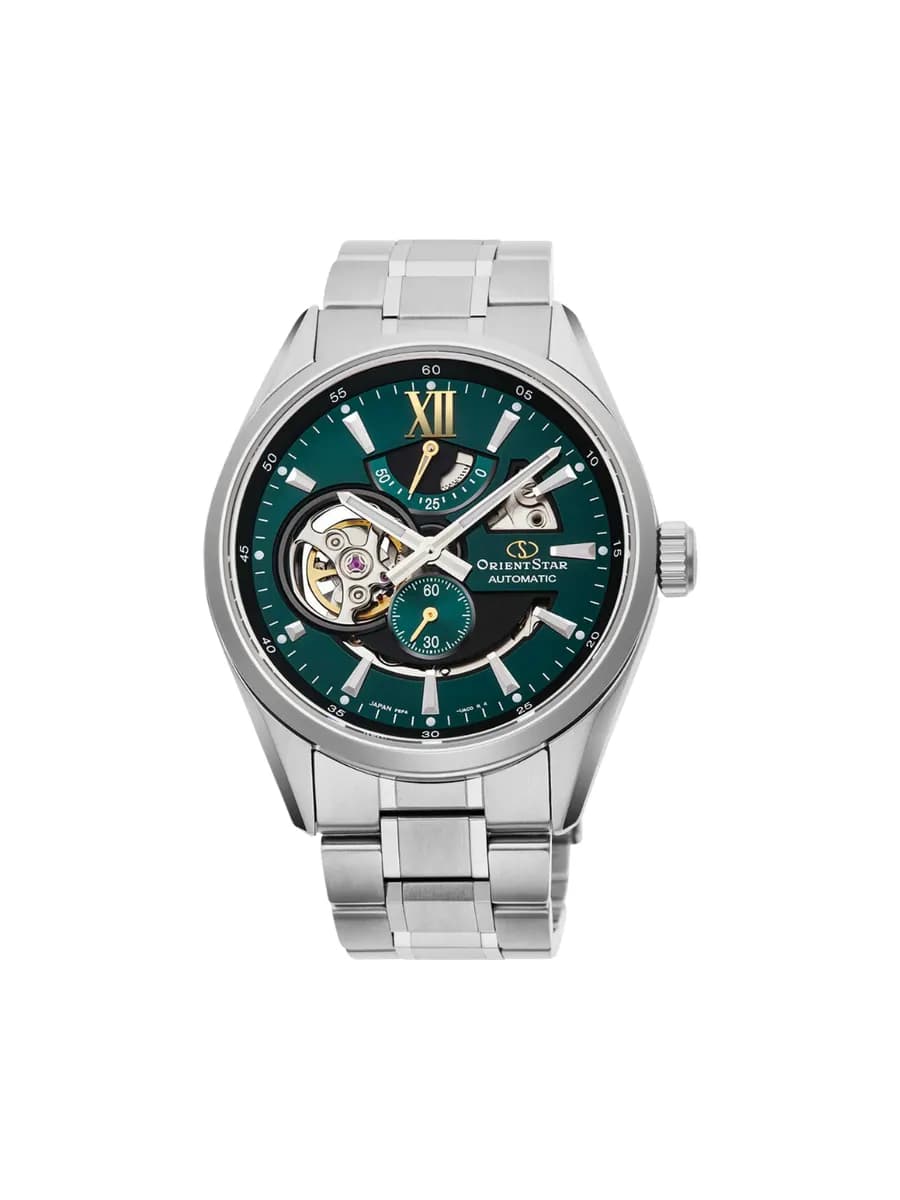
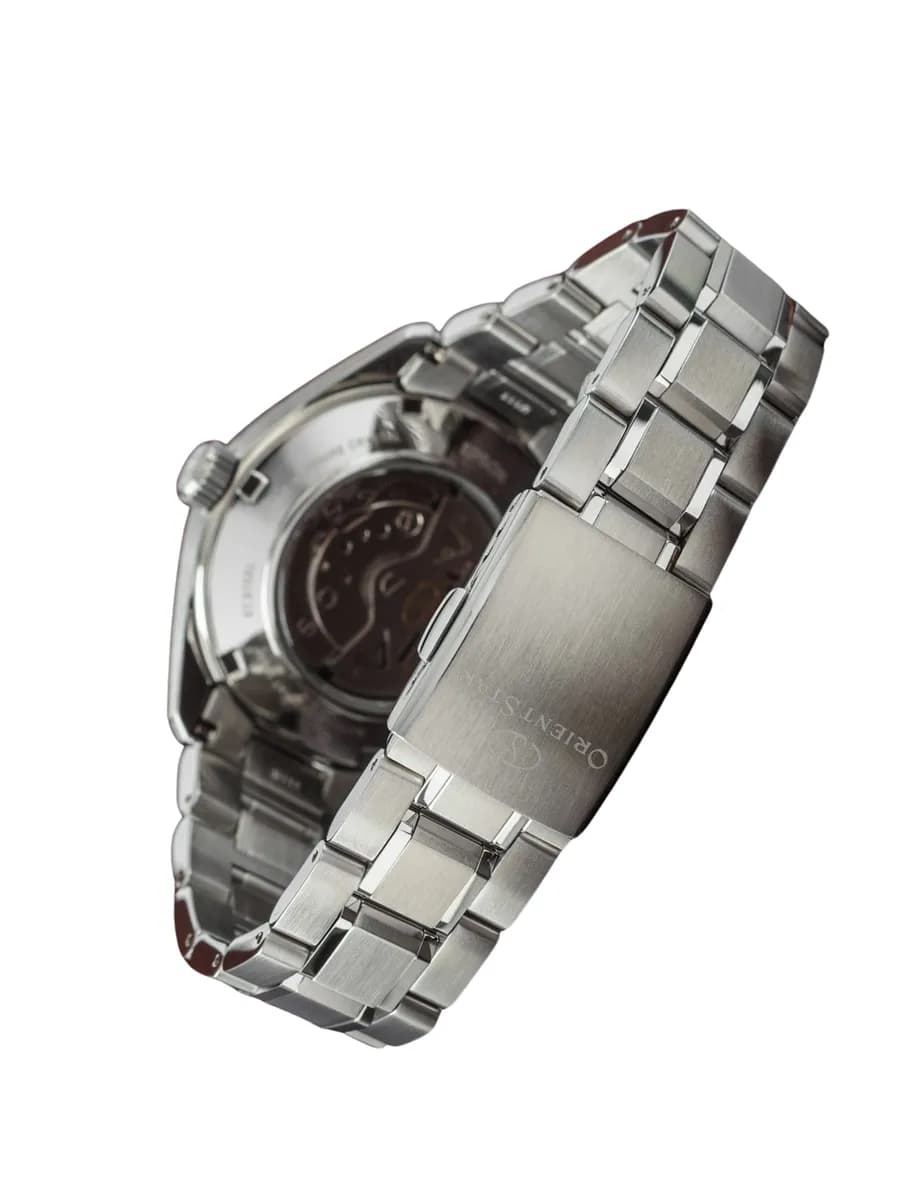
Orient Star RE-AV0114E00B
10 550 000 UZS
Orient Star Made in Japan is an example of a Japanese watch where the model’s origin is part of its positioning.
It is important to distinguish between:
Made in Japan
and
Japan Movement.
They do not mean the same thing.
Japan Movement mainly refers to the origin of the movement, while Made in Japan refers to the watch itself and its production.
Therefore, a Japanese brand does not have to display Made in Japan on every model.
Swiss Made — Swiss origin
Swiss Made is one of the most recognizable markings in the watch industry.
Example:
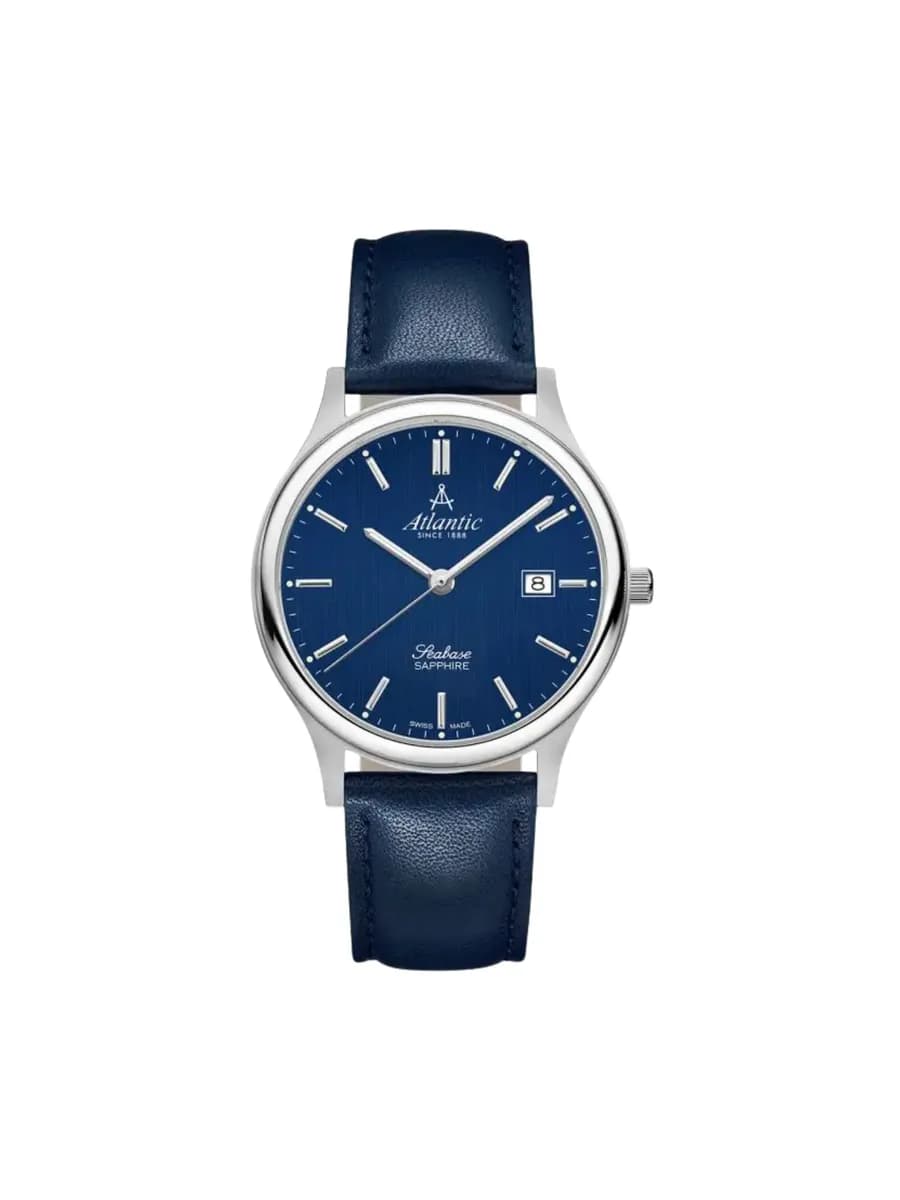
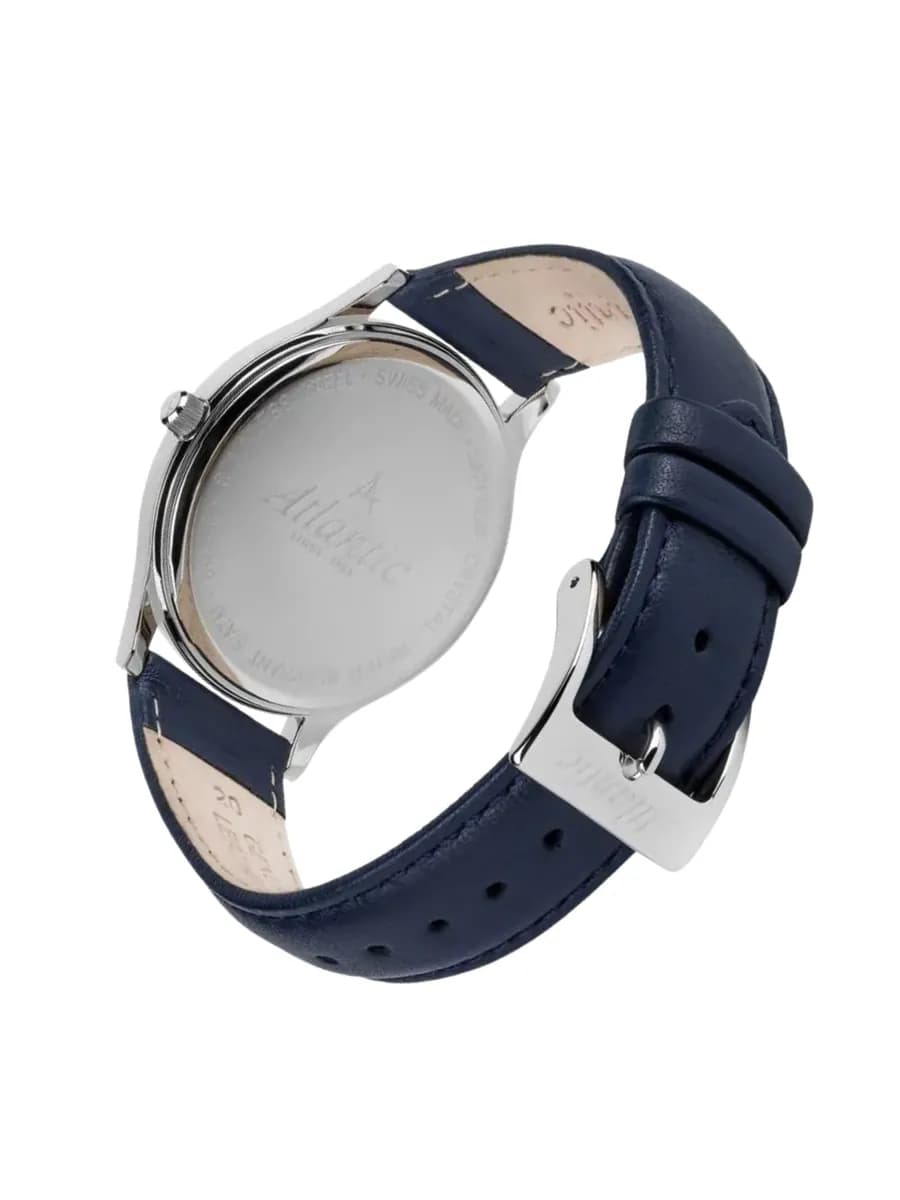
Atlantic 60343.41.51
4 150 000 UZS
Atlantic Swiss Made watches are products of a Swiss brand and carry the corresponding origin marking.
Swiss Made is not simply a decorative phrase. The use of this designation is regulated by Swiss requirements for watch production.
It is also important to distinguish between:
Swiss Made — an indication of the watch’s origin;
Swiss Movement — an indication of the movement’s origin.
These terms are not fully interchangeable.
Which of these markings actually matter when choosing a watch?
Each one describes something different:
Automatic — a type of mechanical movement.
Quartz — a quartz movement.
Solar — light-powered operation.
WR — water resistance.
Sapphire — sapphire crystal.
GMT — an additional time zone.
Chronograph — a stopwatch.
Made in Japan — Japanese origin of the model.
Swiss Made — Swiss origin in accordance with established requirements.
That means one inscription does not automatically make a watch better than another.
For example, Automatic is not necessarily better than Quartz, not everyone needs GMT, and a Chronograph may be unnecessary if you never use a stopwatch.
WATCHZ conclusion
The inscriptions on the dial are like a short “passport” for the watch.
Even before reading the full specifications, they help you understand what movement is inside, what functions the model has and what materials are used.
If you remember a few basic markings, watch specifications become much easier to understand:
Automatic — self-winding mechanical movement
Quartz — quartz movement
Solar — powered by light
WR — water resistance
Sapphire — sapphire crystal
GMT — second time zone
Chronograph — stopwatch
Made in Japan / Swiss Made — watch origin
The main thing is not to choose a watch based on how many inscriptions appear on the dial, but on which functions you actually need.