
What Should You Do If the Watch Glass Fogs Up from the Inside?
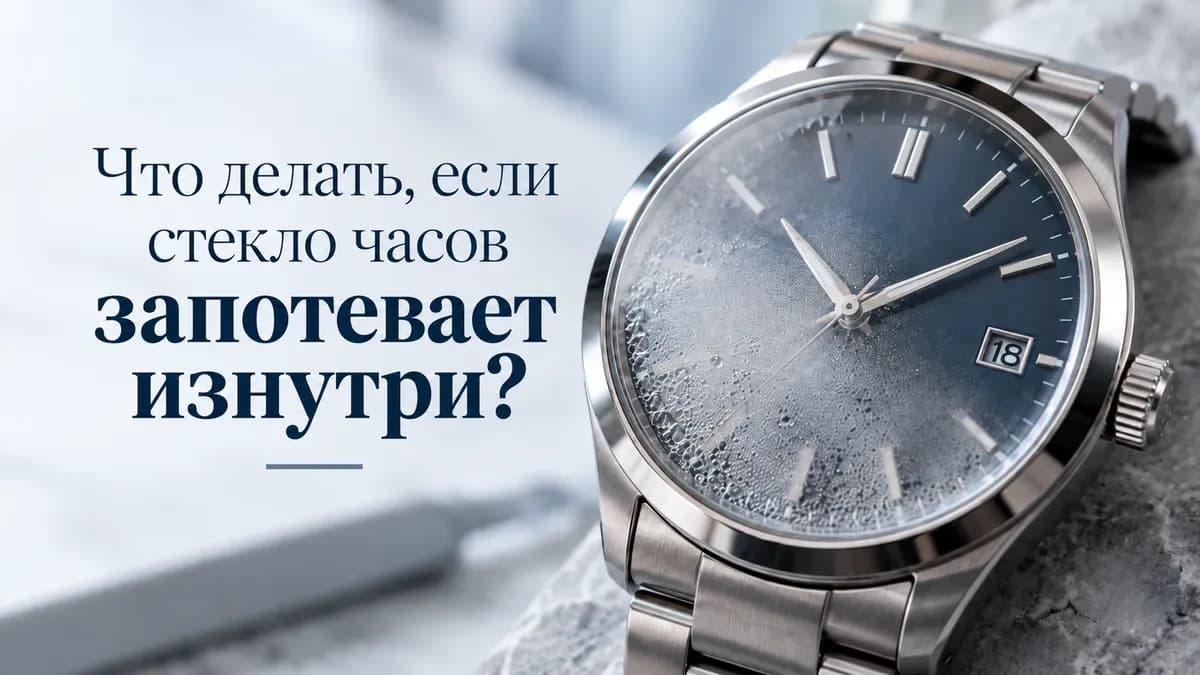
What should you do if the watch glass fogs up from the inside?
Fogging on the inside of the watch glass means that moisture has entered the case or condensation has formed inside.
Sometimes a light haze can appear after a sudden temperature change and disappear quickly. However, if the fogging does not go away for a long time, keeps returning or water droplets appear under the glass — this is already a reason to have the watch’s water resistance checked.
Why does a watch fog up from the inside?
The main reasons are:
- a sudden change in temperature;
- worn sealing gaskets;
- water entering the case;
- a crown that is not fully closed;
- damage to the case after an impact;
- incorrect reassembly after a battery replacement or repair.
It is important to understand that even watches with good water resistance can lose their original sealing over time.
What should you do if the glass fogs up?
If light condensation appears after a sudden temperature change and disappears quickly — monitor the watch for a while.
But if the fogging:
- does not go away;
- appears again;
- occurred after contact with water;
- has turned into visible droplets,
WATCHZ recommends stopping any contact between the watch and water and taking it to a watchmaker.
A watchmaker can open the case, remove the moisture, inspect the condition of the movement and gaskets, and then test the watch for water resistance.
Why shouldn’t you simply wait for everything to dry?
Even if the glass becomes clear again, moisture may remain inside the case.
Over time, it can affect:
- the movement;
- electronic components;
- the dial;
- the hands;
- metal parts.
That is why recurring fogging should not be ignored.
You should also avoid drying the watch yourself with a hair dryer, heating it strongly or opening the caseback without the necessary tools.
Why can water resistance deteriorate?
The 50M, 100M or 200M rating applies to a properly functioning watch with normal sealing.
Over time, it can be affected by:
- aging gaskets;
- impacts;
- damage to the crown;
- opening the case;
- battery replacement;
- previous repairs.
Therefore, after servicing a watch that regularly comes into contact with water, it is advisable to have its water resistance tested separately.
Water-resistant watches at WATCHZ
If you plan to use your watch frequently in high-humidity conditions or during active recreation, it is worth considering models with higher water resistance.
Orient Mako GMT — 200M
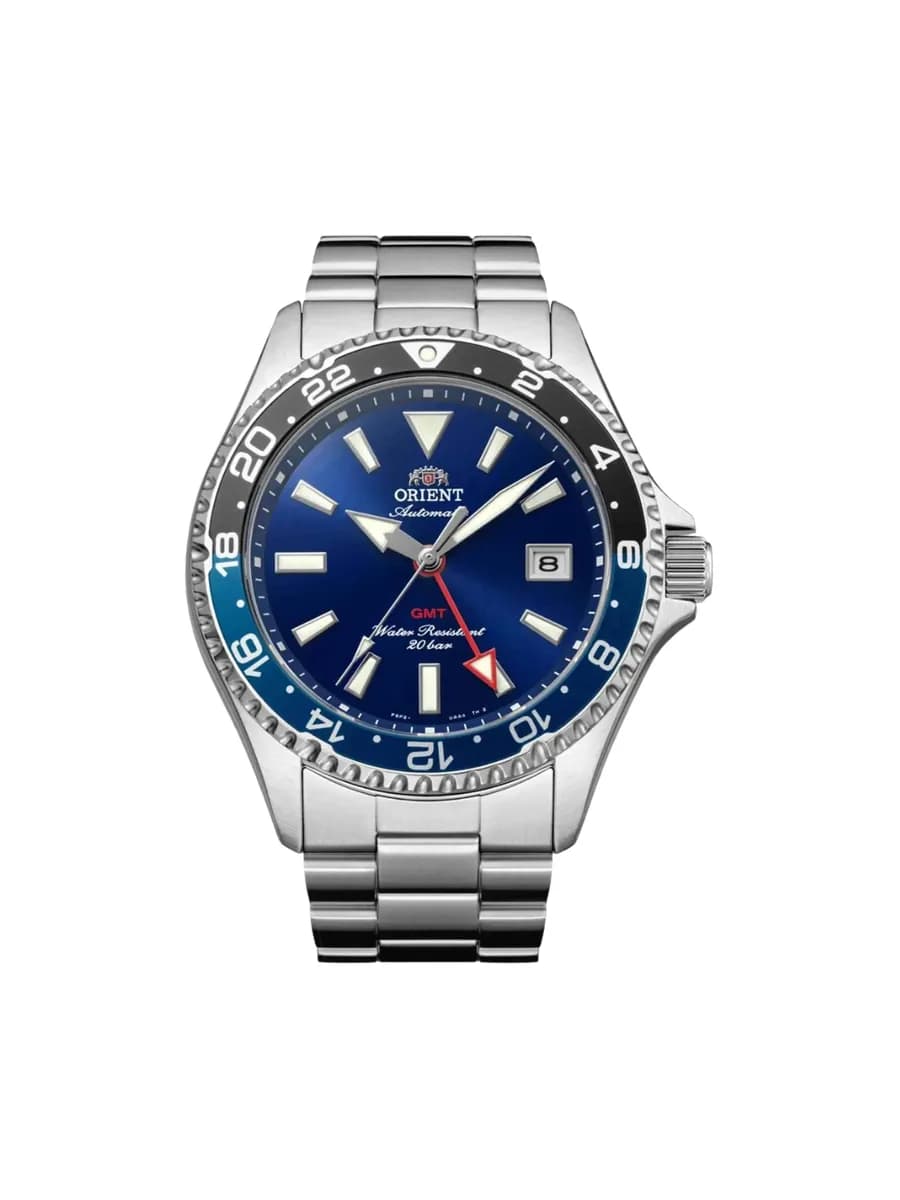
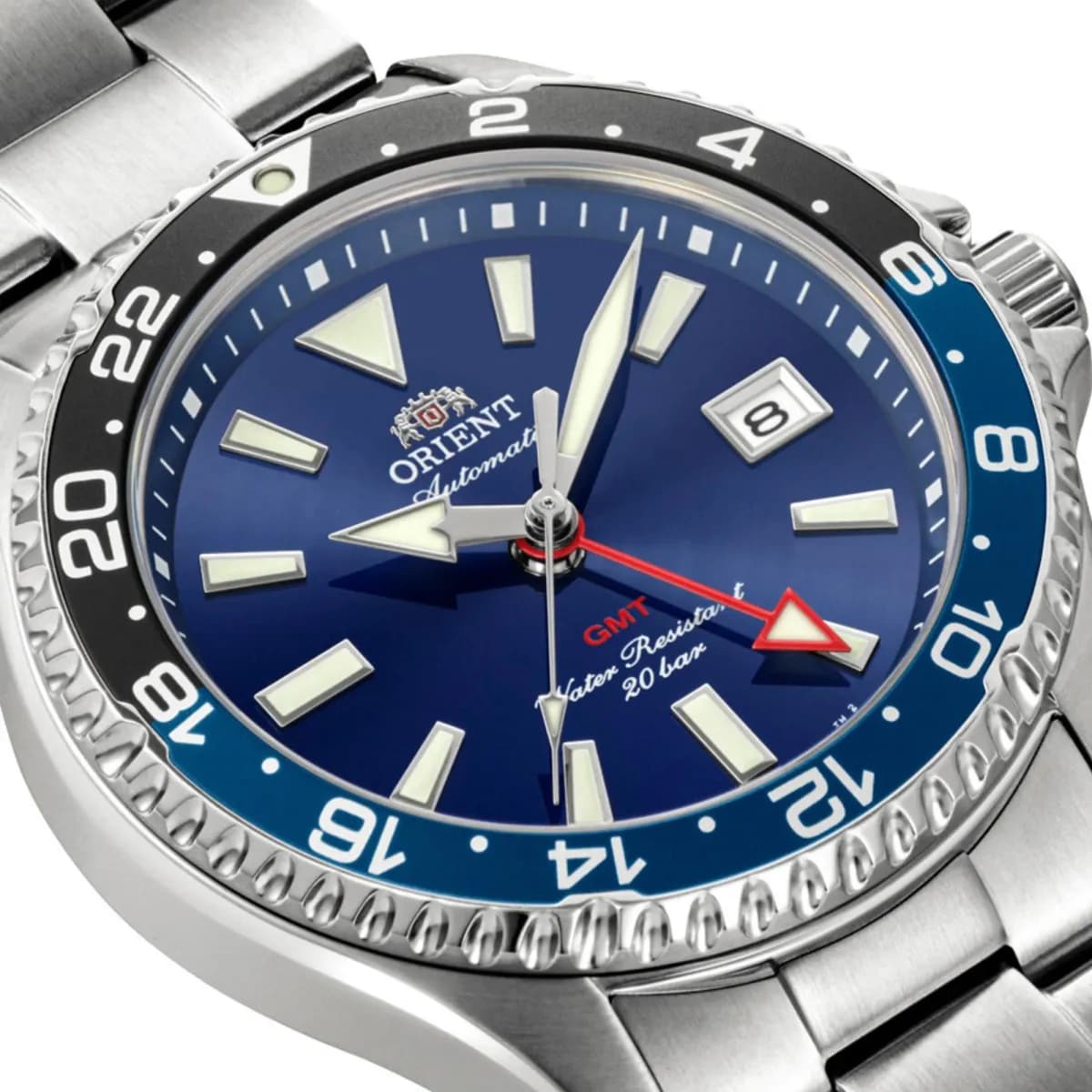
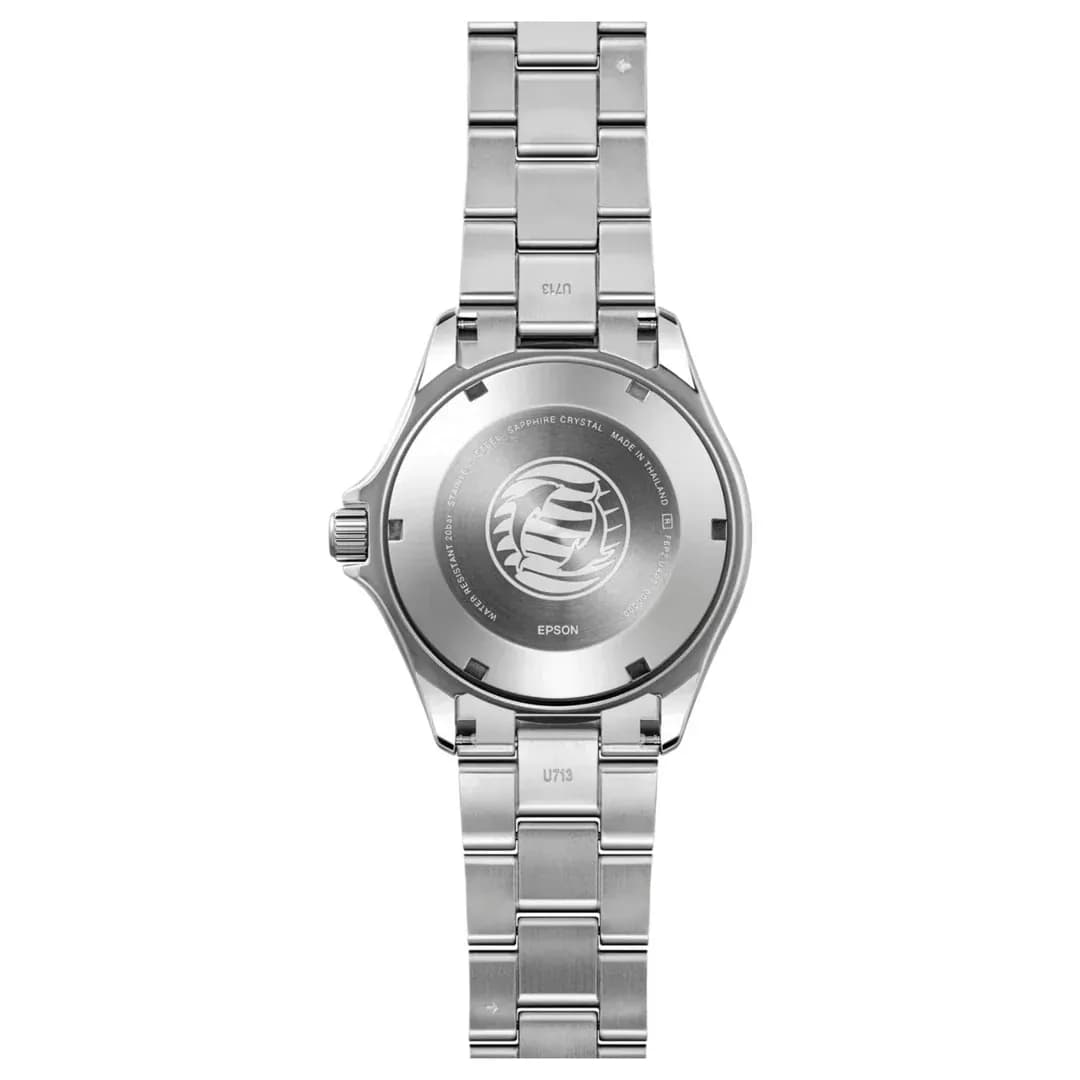
Orient Mako GMT RA-BC0003L30B
5 795 000 UZS
Everyday sports watches from the new Orient collection with an automatic movement, GMT function and 200 meters of water resistance.
Casio G-SHOCK G-LIDE — 200M
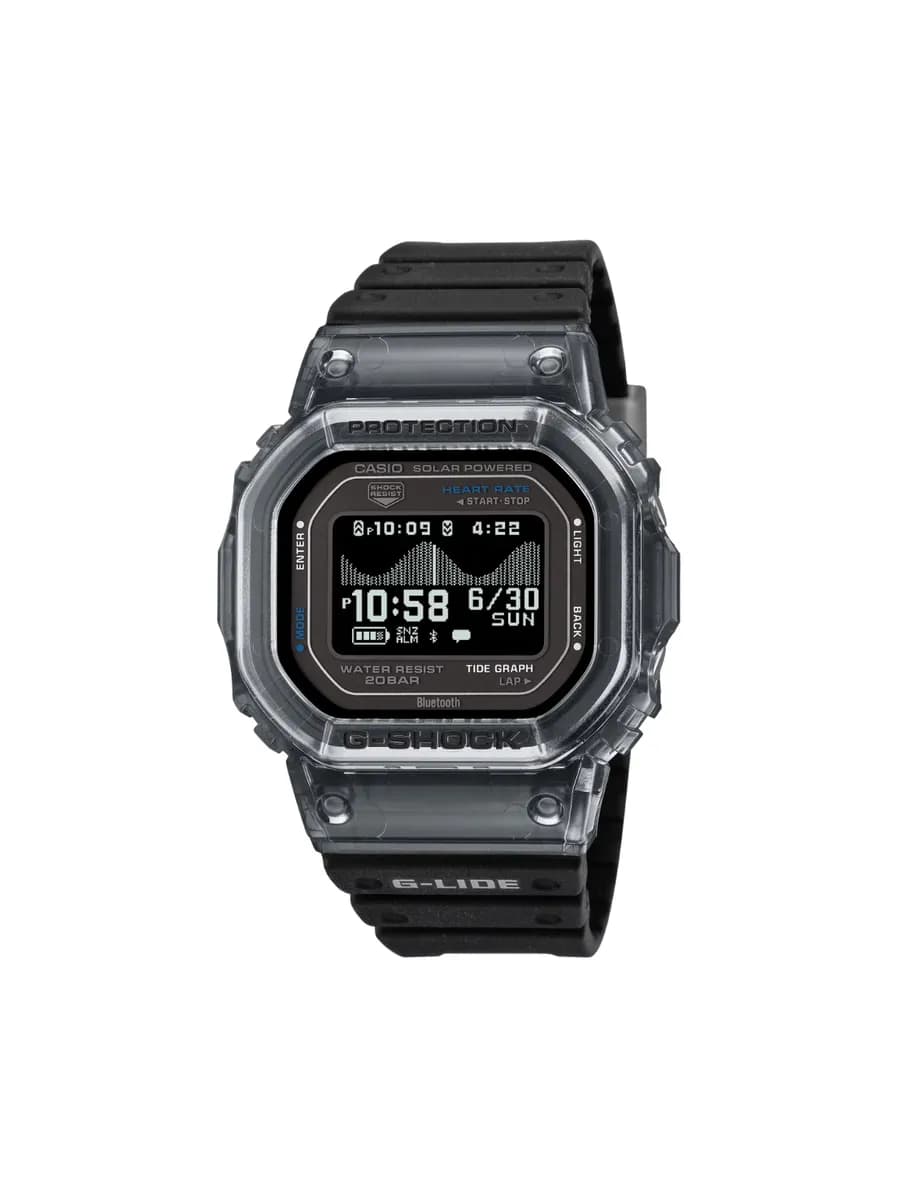
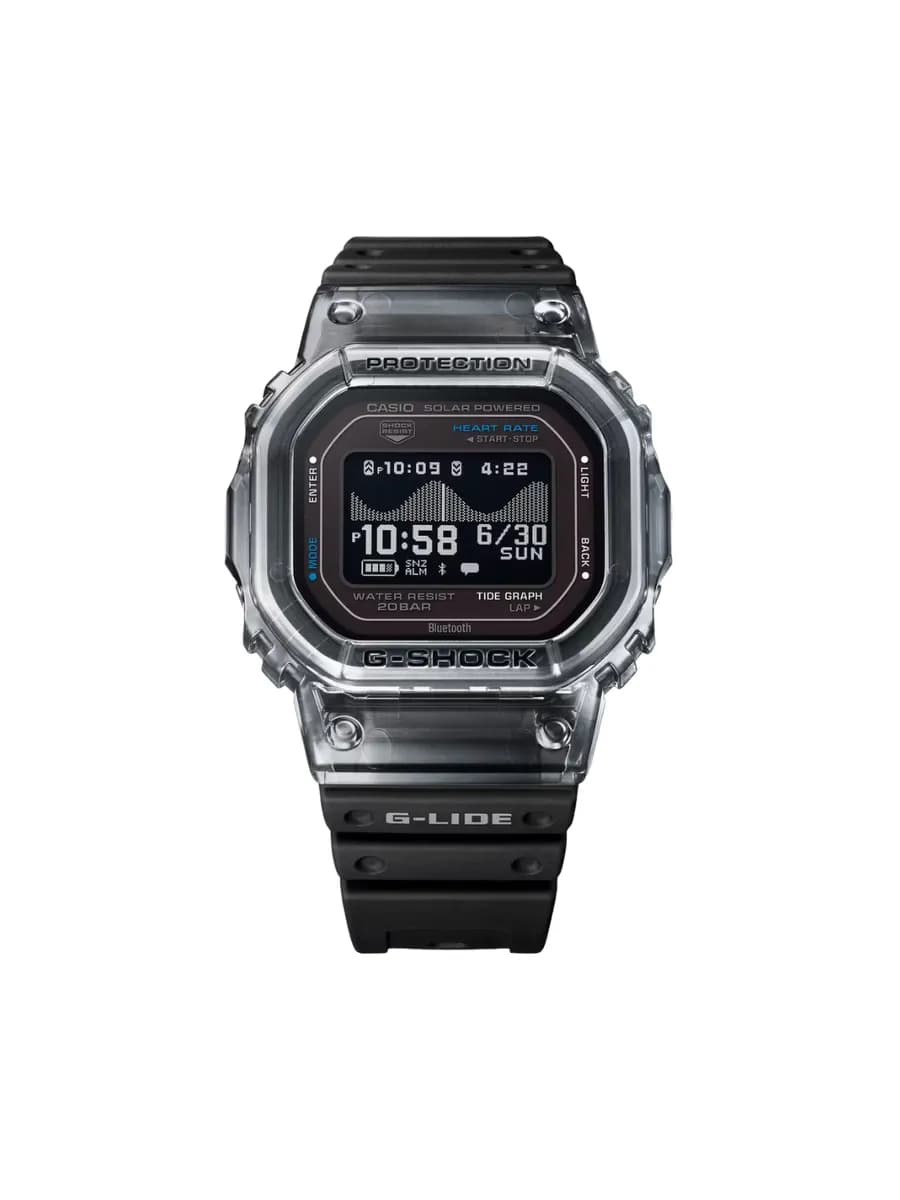
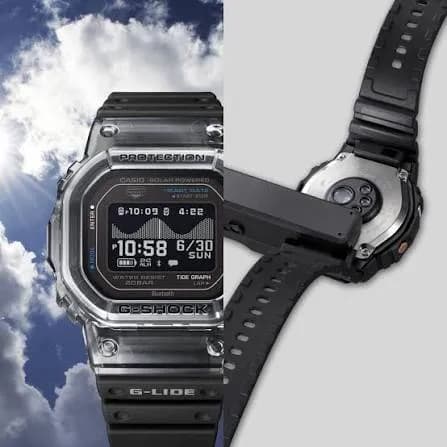
Casio G-Shock G-LIDE GBX-H5600-1DR
6 990 000 UZS
Functional G-SHOCK sports watches with 200 meters of water resistance, designed for active use.
Atlantic Mariner
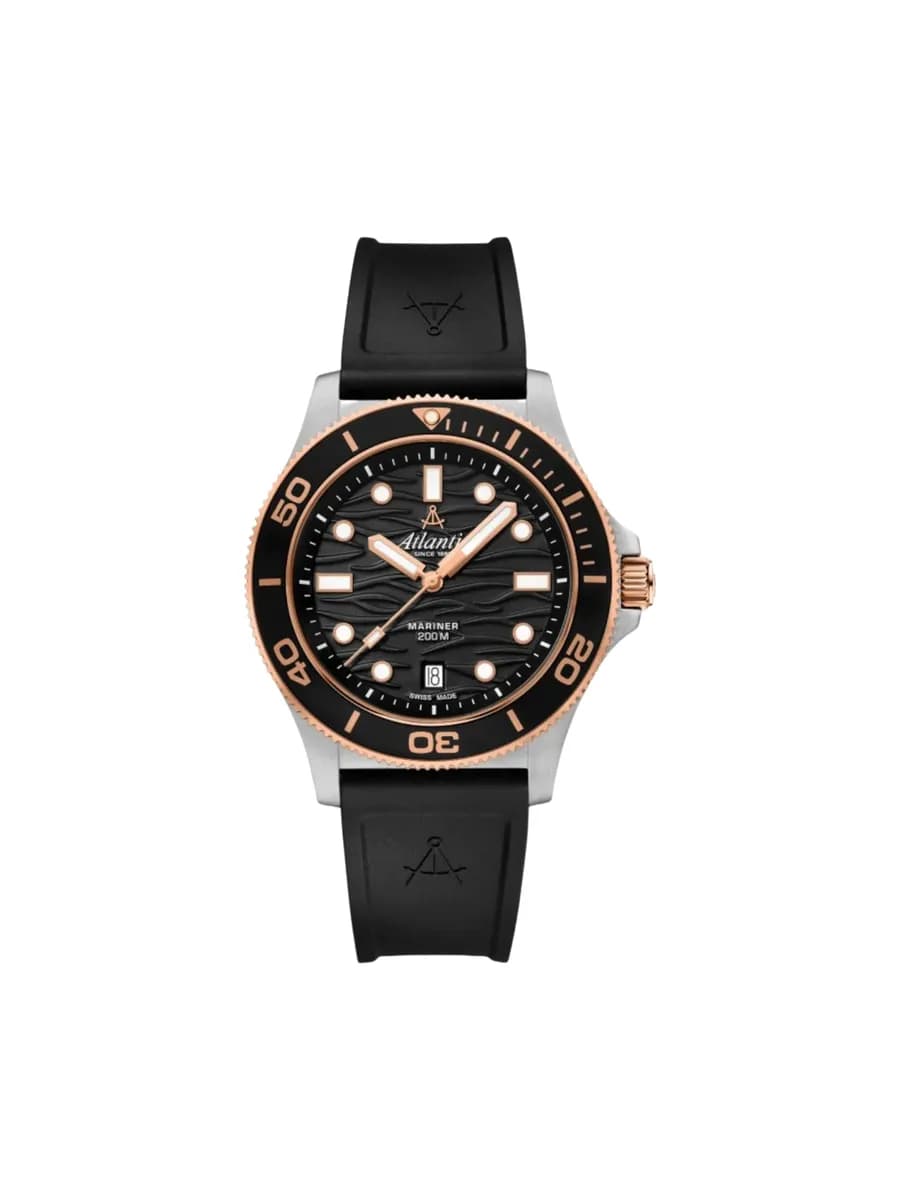
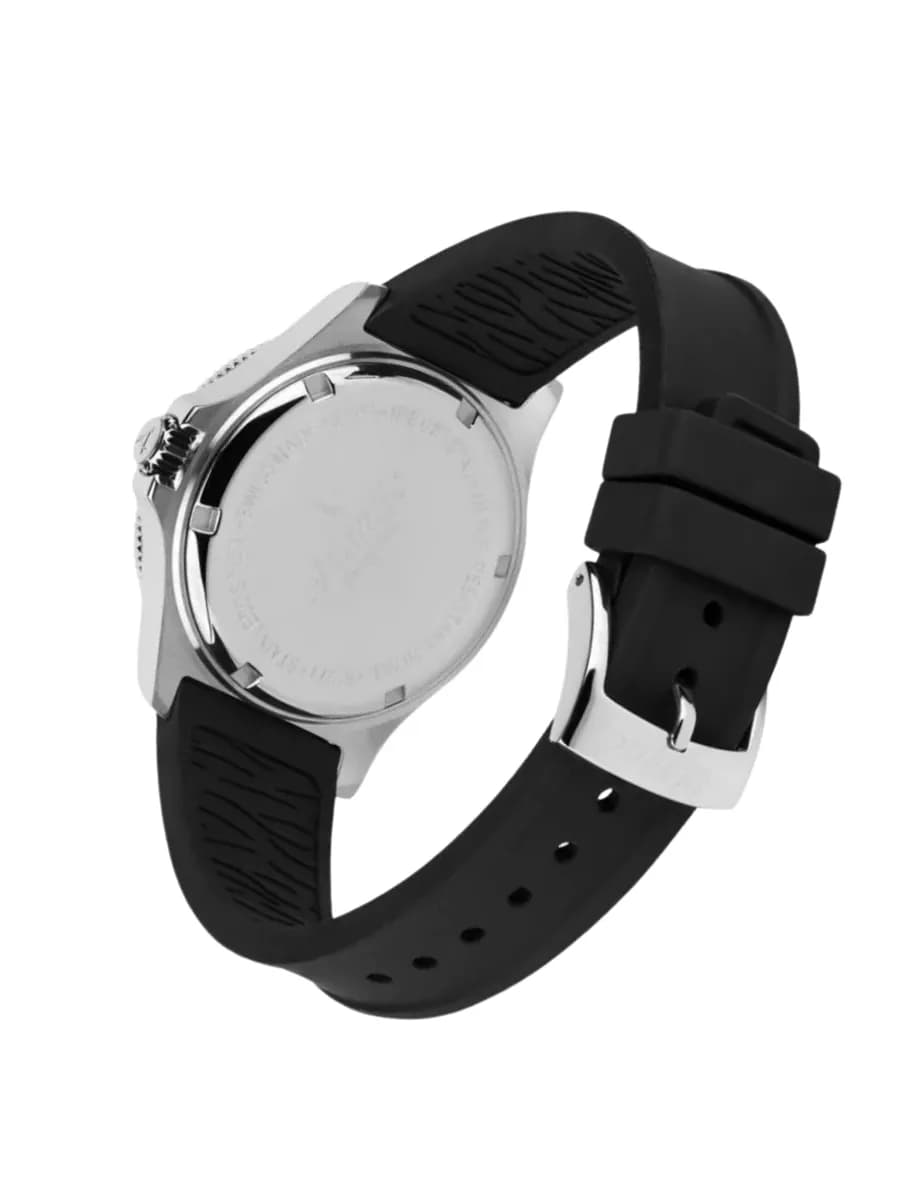
Atlantic Mariner 81371.43.69RPU
6 500 000 UZS
Water-resistant watches from the Swiss brand Atlantic for those who want to combine a sporty character with a more classic design.
WATCHZ conclusion
The main rule is simple:
if the glass fogs up slightly and quickly becomes clear again after a temperature change — monitor the watch.
But if the condensation does not disappear, returns or water appears under the glass — the watch should be taken to a watchmaker.
The sooner the cause of the loss of water resistance is found, the lower the risk of damage to the internal components.